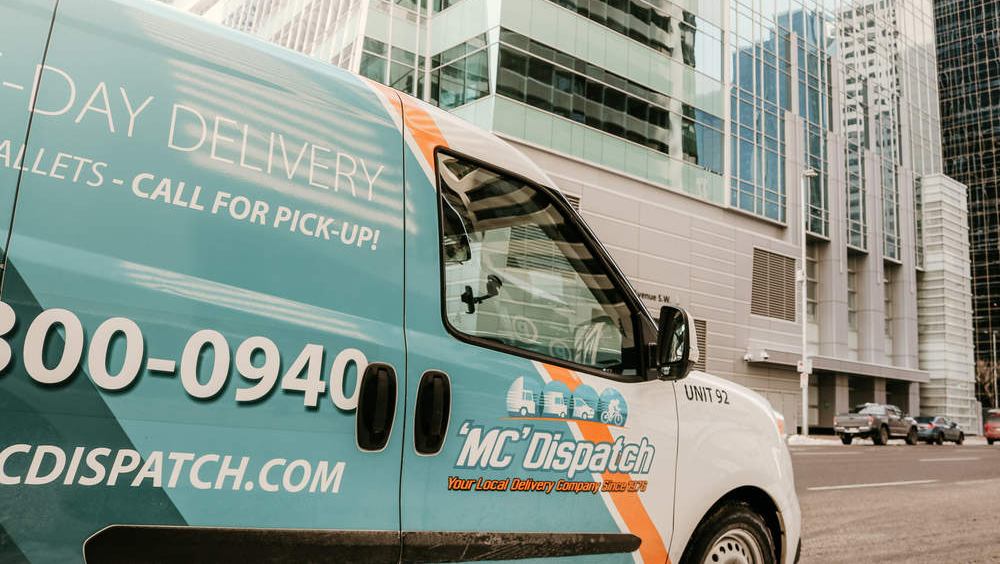
White-Glove Logistics Alberta: Best Practices for High-Tech & Fragile Equipment
Managing the transport of high-value, sensitive assets in Alberta requires more than a standard courier service. Whether you are an IT Director overseeing a server rack relocation in Calgary or a medical lab manager in Edmonton awaiting calibrated diagnostic machinery, the objective remains the same: zero-damage delivery with precision installation. This long-form guide provides a technical roadmap for white-glove logistics in Alberta, addressing the specific geographical and climatic challenges of the Edmonton-Calgary corridor. If your goal is to minimize downtime, ensure regulatory compliance, and protect invaluable equipment from the rigours of transit, the following best practices will define your logistical success.
Quick Summary of White-Glove Logistics
- Beyond Curbside: White-glove service includes inside delivery, room-specific placement, and debris removal.
- Climate Sensitivity: Specialized thermal management is required to prevent condensation during Alberta’s extreme temperature swings.
- Chain of Custody: High-tech assets require documented hand-offs and real-time GPS tracking.
- Specialized Fleet: Utilization of air-ride suspension and lift-gate-equipped vehicles is non-negotiable for fragile cargo.
- Technical Setup: Some services include basic assembly or positioning of equipment to manufacturer specifications.
- Risk Mitigation: Comprehensive insurance and pre-transit site surveys are essential for high-value items.
Defining White-Glove Logistics in the 2026 Alberta Market
In 2026, the definition of white-glove logistics has evolved from simple “careful handling” to a tech-integrated, data-driven service. For businesses operating in Edmonton and Calgary, this means utilizing a comprehensive white-glove service overview that integrates with modern supply chain software.
White-glove service is specifically designed for items that cannot be handled by automated sorting systems or standard freight carriers. This includes items that are:
- Fragile: Prone to breakage from vibration or impact.
- Sensitive: Vulnerable to static, moisture, or temperature.
- Complex: Requiring specific orientation or assembly.
- Invaluable: High monetary or intellectual property value where loss is catastrophic.
The Alberta Advantage and Challenge
Logistics in Alberta presents unique variables. The distance between the major hubs of Edmonton and Calgary is roughly 300 kilometres of highway that can experience rapid weather shifts. High-tech medical courier services in Calgary must account for the chinook winds that cause sudden temperature spikes, while fragile equipment shipping in Edmonton must contend with prolonged sub-zero conditions that can embrittle plastics and damage sensitive liquid crystals in displays.
Strategic Handling Protocols for High-Tech & Medical Assets
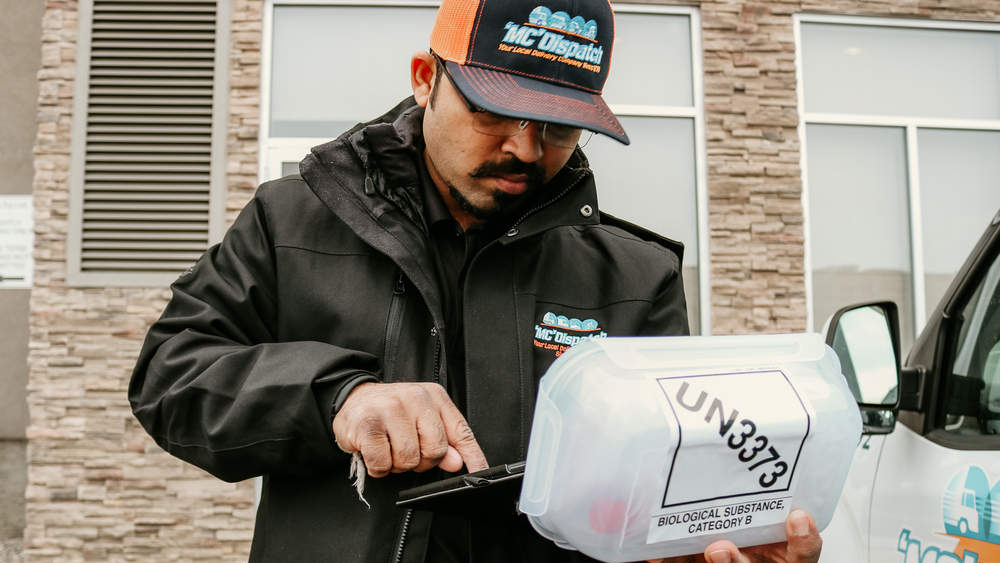
When dealing with specialized medical and pharmaceutical logistics, the stakes involve both financial value and patient safety. Laboratory equipment transport services must adhere to strict vibration-dampening standards to ensure that internal calibrations remain intact during the journey.
The Thermal Shock Prevention Framework
A critical consideration for Alberta logistics is the Thermal Shock Prevention Framework. This is a recommended industry process for moving sensitive electronics from extreme outdoor cold into climate-controlled office environments.
The Recommended Process:
- Staging: Equipment is held in a temperature-controlled vehicle at a midpoint temperature (e.g., +10°C) for a set duration.
- Vapour Barrier: Items remain sealed in specialized anti-static and moisture-wicking wraps until the internal temperature of the equipment reaches the ambient temperature of the room.
- Active Monitoring: Use of Bluetooth-enabled data loggers to track internal crate temperature during the transition from the loading dock to the final installation room.
Failure to follow a thermal transition process often leads to internal condensation, which can short-circuit high-end server components or contaminate optical sensors in medical imaging devices.
Technical Logistics Specifications by Equipment Category
The following table outlines the handling requirements for different classes of invaluable equipment commonly transported within the Alberta industrial and professional sectors.
| Equipment Category | Primary Risk Factor | Required Handling Feature | Recommended Vehicle Type |
| IT/Server Racks | Vibration & Static | Anti-static wrapping; Air-ride suspension | 5-Ton with Lift-gate |
| Medical Diagnostics | Calibration Shift | Custom crating; Shock-watch sensors | Climate-controlled Van |
| Lab Centrifuges | Liquid Spillage/Balance | Level-loading; Secure strapping | Sprinter/Cargo Van |
| Industrial Sensors | Impact/G-Force | Double-walled padding; GPS tracking | Hot-shot Dedicated |
| Telecomm Gear | Moisture/Dust | Vacuum-sealed packaging | Enclosed Box Truck |
For larger industrial high-tech needs, leveraging heavy equipment and 5-ton freight solutions ensures that the vehicle capacity matches the structural requirements of the crated assets.
The “Triple-Check” Protocol: An Original Logistics Framework
To ensure the highest level of security and precision, a Triple-Check Protocol is recommended for any high-value white-glove move. This framework focuses on three distinct phases of the delivery lifecycle.
1. The Physical Check (The Hardware Layer)
This involves verifying the integrity of the packaging, the functionality of the lift-gate, and the cleanliness of the vehicle interior. In white-glove logistics, the vehicle is an extension of the laboratory or data center. Any dust or debris in the truck can compromise sensitive electronics.
2. The Digital Check (The Data Layer)
The digital check confirms that the GPS tracking is active, the electronic proof of delivery (ePOD) system is synced, and any specialized temperature or shock sensors are calibrated and recording. This provides the “Perspective Layer” of data required for modern audit trails.
3. The Site Check (The Infrastructure Layer)
Before the equipment leaves the vehicle, the lead technician performs a site check. This includes measuring door widths, checking floor load capacities, and identifying potential obstacles like high-pile carpeting or narrow corridors in older buildings in downtown Edmonton or Calgary.
Local Considerations: Navigating Alberta’s Urban Cores
The “last mile” of white-glove delivery is often the most complex. In Calgary, navigating the +15 Skyway network or the tight loading bays of the Financial District requires specialized knowledge of local parking bylaws and building access hours.
In Edmonton, delivering high-tech equipment to the Ice District or the University of Alberta campus involves coordinating with multiple security tiers. It is essential to ensure that the specialized fleet and handling equipment chosen for the job can fit within the height clearances of underground parkades, which are often as low as 2.1 meters in newer commercial developments.
Step-by-Step White-Glove Delivery Timeline
For a successful high-tech relocation or delivery, follow this standardized timeline to ensure no technical details are overlooked.
- T-Minus 72 Hours: Pre-Site Survey
- Confirm dimensions of all elevators and doorways.
- Verify the availability of the loading dock at both origin and destination.
- T-Minus 24 Hours: Equipment Pre-Conditioning
- If moving temperature-sensitive lab gear, ensure the climate-control system in the transport vehicle is pre-cooled or pre-heated.
- Day of Move: Loading & Securement
- Apply shock-watch and tilt-sensors to the exterior of crates.
- Secure items using E-track straps to prevent any lateral movement during transit.
- Transit: The Edmonton-Calgary Run
- Maintain a steady speed; avoid sudden braking.
- Monitor real-time sensor data via the dispatcher’s console.
- Arrival: Inside Placement
- Uncrate the item in a designated “dirty zone” to prevent packing dust from entering the cleanroom or server hall.
- Position equipment according to the floor plan provided by the client.
- Post-Delivery: Debris Removal & Documentation
- Remove all cardboard, pallets, and foam from the site.
- Obtain a digital signature confirming that the item was delivered without visible damage or sensor triggers.
Common Mistakes in Fragile Equipment Shipping
Even with the best intentions, certain recurring errors can jeopardize a white-glove move.
- Ignoring the “Final 50 Feet”: Many logistics plans focus on the highway miles but fail to account for the stairs, ramps, or tight corners inside the delivery building.
- Inadequate Labelling: Failing to mark “This Side Up” or “Fragile” clearly on all sides of the crating can lead to improper orientation by secondary handlers.
- Using Standard Pallet Jacks on Sensitive Floors: High-tech facilities often have specialized flooring (like anti-static tiles or polished concrete). Using standard steel-wheeled pallet jacks can cause permanent damage.
- Assuming Manufacturer Packaging is Sufficient: Original equipment manufacturer (OEM) boxes are designed for bulk shipping, not necessarily for individual high-touch white-glove delivery. Supplemental over-packing is often required.
Realistic Service Constraints
It is important to recognize that white-glove logistics has inherent limitations.
- Weather Holds: In the event of extreme Alberta blizzards or “black ice” warnings on Highway 2, white-glove deliveries may be delayed. Protecting the cargo and the crew is the priority.
- Assembly Limits: While white-glove includes placement and debris removal, it typically does not include “Technical Commissioning” (e.g., configuring software or performing medical calibrations), which must be done by the manufacturer’s technicians.
- Weight Capacity: Inside delivery is limited by the weight capacity of the building’s elevators and floors. Always verify these limits before scheduling a 5-ton delivery.
What To Do If Something Goes Wrong
Despite the most rigorous sensitive electronics handling protocols, contingencies must be in place.
- Immediate Documentation: If a shock sensor is triggered or visible damage is noted on the crate, take high-resolution photos immediately—before the item is unboxed.
- Note Exceptions on the POD: Never sign a “Clean” proof of delivery if there is any suspicion of damage. Clearly state the nature of the concern on the electronic or paper document.
- Segregate the Asset: Do not attempt to power on or use equipment that may have suffered impact or moisture damage. Move it to a secure area for inspection by a qualified technician or insurance adjuster.
- Contact Dispatch: Notify the logistics provider within one hour of the delivery. Most high-value insurance policies have strict reporting windows.
For businesses shipping medical devices, adhering to Health Canada’s temperature control guidelines during the contingency phase is vital to maintaining the validity of the equipment warranty.
FAQ: White-Glove Logistics & Fragile Shipping
What is included in a standard white-glove delivery service? Standard white-glove service includes inside delivery to a specific room, uncrating or unpacking of the item, and the removal of all packaging debris. It often includes basic positioning of the equipment, but does not typically include complex technical setup or electrical wiring.
How does Alberta’s weather affect fragile equipment shipping? Extreme cold can cause components to become brittle, while rapid warming leads to condensation. Professional couriers use climate-controlled vehicles and thermal staging protocols to ensure that high-tech equipment remains within a safe temperature range during the transition from the vehicle to the office.
Do you provide white-glove services for medical laboratories in Edmonton? Yes, specialized medical courier services are designed to handle sensitive diagnostic equipment and laboratory gear. These services prioritize vibration-dampening and strict adherence to cleanliness standards to ensure laboratory environments are not contaminated during the delivery process.
Can you move server racks between Calgary and Edmonton? Yes, server rack relocation is a core component of high-tech logistics. Using air-ride 5-ton trucks ensures that delicate hard drives and circuit boards are protected from road vibration, while lift-gate services allow for safe loading and unloading without the need for a loading dock.
What insurance coverage is available for invaluable items? While standard carriers offer limited liability, white-glove providers offer enhanced cargo insurance specifically for high-value assets. It is recommended to disclose the full replacement value of the equipment during the quoting process to ensure adequate coverage is in place.
Are your drivers trained for inside delivery in downtown office towers? Drivers specializing in white-glove logistics are trained to navigate complex urban environments, including freight elevator protocols and security clearances. This expertise is essential for deliveries to high-density areas like Edmonton’s Ice District or Calgary’s commercial core.
What happens if the equipment doesn’t fit through the door upon arrival? A pre-site survey is recommended to prevent this issue. If equipment does not fit, the logistics team will secure the item in a climate-controlled warehouse while alternative access (such as window hoisting or door frame removal) is coordinated with the facility manager.
Conclusion
White-glove logistics in Alberta is a specialized discipline that bridges the gap between traditional trucking and high-tech facility management. By focusing on local climate considerations, utilizing structured frameworks like the Triple-Check Protocol, and ensuring a robust chain of custody, businesses in Edmonton and Calgary can protect their most invaluable assets. Precision in the “last mile” is what separates a standard delivery from a successful white-glove installation.
Ready to secure your high-value assets with Alberta’s premier courier experts? Contact MC Dispatch today for a detailed white-glove logistics quote tailored to your specific equipment needs. Let our team handle the complexities of the Edmonton-Calgary corridor so you can focus on your core business operations.