

$7.50 DELIVERIES*
CALGARY (403) 300-0940
EDMONTON (780) 483-4611
logotype
  • Home
  • About
    • Overview
    • Fleet/Equipment
    • Courier Software
    • Careers
    • Courier Services Gallery
    • News
    • Blog
    • FAQ
  • Services
    • Same-Day Courier
    • Scheduled Deliveries
    • Next Flight Out
    • Flat Deck Services
    • 5-Ton
    • 53’ Trailer & Dry LTL Services
    • Hot Shot
    • Province Wide Daily Runs
    • Messenger Service
    • Warehousing
    • White Glove
    • Legal Courier Service
    • Financial Courier Service
    • E-Commerce Fulfillment
  • Items We Ship
    • Small Packages
    • Boxes
    • Envelopes
    • Documents
    • Food
    • Skids of Product
    • Large Products/Equipment
    • Medical Supplies
    • Pharmaceuticals
    • Flowers
  • Customer Reviews
  • Pricing
  • Tracking
  • Contact
PLACE DELIVERY
TRACK DELIVERY
  • Home
  • About
    • Overview
    • Fleet/Equipment
    • Courier Software
    • Careers
    • Courier Services Gallery
    • News
    • Blog
    • FAQ
  • Services
    • Same-Day Courier
    • Scheduled Deliveries
    • Next Flight Out
    • Flat Deck Services
    • 5-Ton
    • 53’ Trailer & Dry LTL Services
    • Hot Shot
    • Province Wide Daily Runs
    • Messenger Service
    • Warehousing
    • White Glove
    • Legal Courier Service
    • Financial Courier Service
    • E-Commerce Fulfillment
  • Items We Ship
    • Small Packages
    • Boxes
    • Envelopes
    • Documents
    • Food
    • Skids of Product
    • Large Products/Equipment
    • Medical Supplies
    • Pharmaceuticals
    • Flowers
  • Customer Reviews
  • Pricing
  • Tracking
  • Contact
logotype
logo-edmonton-deliveries
  • Home
  • About
    • Overview
    • Fleet/Equipment
    • Courier Software
    • Careers
    • Courier Services Gallery
    • Blog
    • FAQ
  • Services
    • Same-Day Courier
    • Scheduled Deliveries
    • Next Flight Out
    • 5-Ton
    • Hot Shot
    • Province Wide Daily Runs
    • Messenger Service
    • Warehousing
    • White Glove
    • Legal Courier Service
    • Financial Courier Service
    • E-Commerce Fulfillment
  • Items We Ship
    • Small Packages
    • Boxes
    • Envelopes
    • Documents
    • Food
    • Skids of Product
    • Medical Supplies
    • Pharmaceuticals
    • Flowers
  • Customer Reviews
  • Pricing
  • Tracking
  • Contact

urgent freight Tag

HomePosts Tagged "urgent freight"

Tag: urgent freight

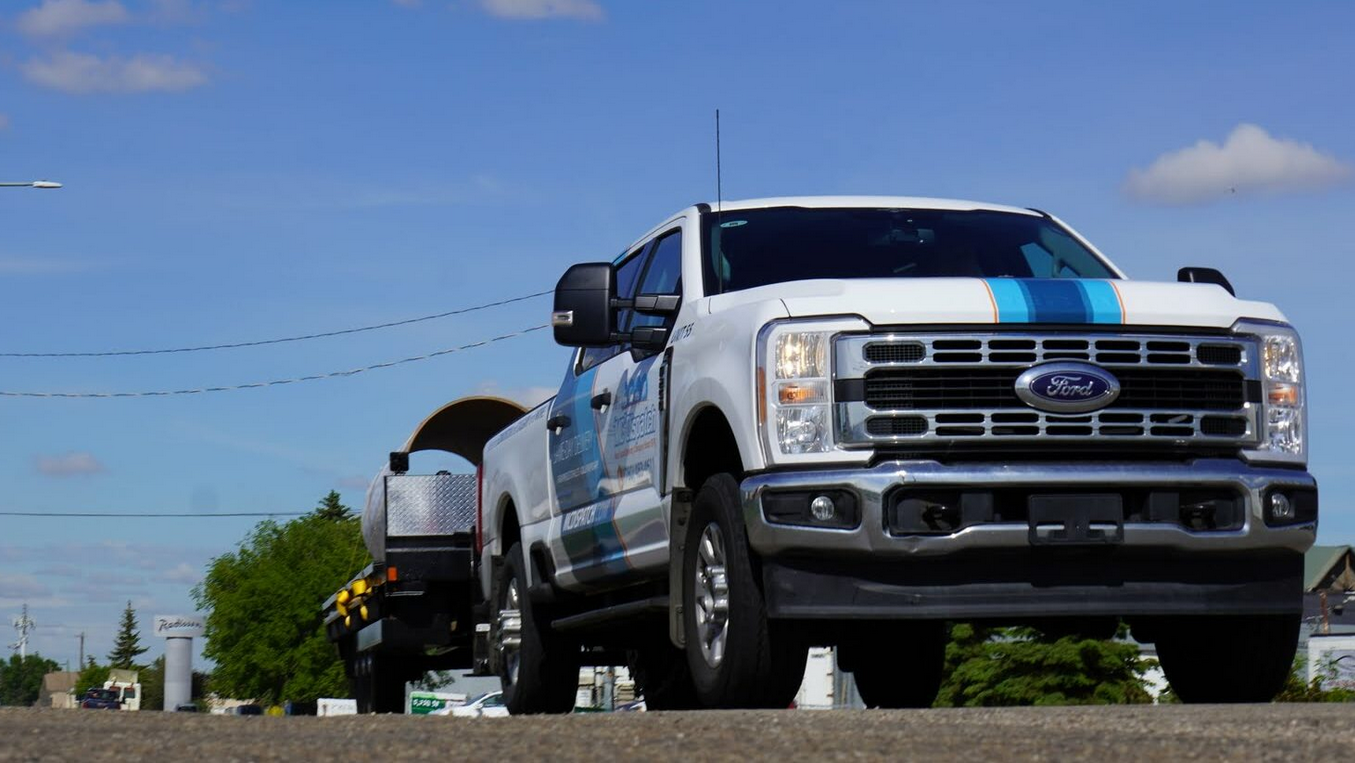
Eliminating Production Stalls: A Guide to Hot Shot Logistics for Edmonton’s Industrial Heartland
Courier ServicesLogistics
April 8, 2026

Eliminating Production Stalls: A Guide to Hot Shot Logistics for Edmonton’s Industrial Heartland

Quick Summary

  • The Problem: Production stalls in the petrochemical and manufacturing sectors can cost upwards of $50,000 per hour.
  • The Solution: Hot shot logistics offers non-stop, point-to-point delivery of mission-critical components.
  • Key Service Hubs: The primary corridor spans from the supply hubs in Nisku to the processing facilities in Fort Saskatchewan and Sturgeon County.
  • 24/7 Dispatch: Industrial recovery requires a logistics partner available around the clock, 365 days a year.
  • Versatile Fleet: Services range from small courier vehicles for instrumentation to 5-ton trucks for heavy assemblies.
  • Safety Compliance: Drivers must be familiar with site-specific protocols and PPE requirements for major Heartland facilities.
  • Tech Integration: Modern logistics in 2026 utilize real-time GPS tracking and automated proof-of-delivery to ensure transparency.

Maintaining the continuous flow of operations in Alberta’s Industrial Heartland is a high-stakes endeavor where every minute of downtime translates into thousands of dollars in lost revenue. For operations managers, maintenance coordinators, and logistics directors, the primary goal is simple: ensure that critical parts and equipment are where they need to be, exactly when they are needed. When a facility in Fort Saskatchewan or a manufacturing plant in Nisku experiences a mechanical failure, the search for a solution often begins with a need for immediate, reliable transportation. This guide is designed to help you navigate the complexities of hot shot logistics in Edmonton, providing a technical roadmap for eliminating production stalls and optimizing your supply chain for 2026 and beyond. If you are looking to secure a trusted partner for emergency freight delivery that understands the nuances of the Heartland region, this post provides the actionable insights you need to make an informed decision.

The High Stakes of Uptime in Alberta’s Industrial Heartland

Alberta’s Industrial Heartland represents the core of Canada’s hydrocarbon processing industry. Spanning 582 square kilometres across five municipalities, this region is home to world-scale refineries, ethylene crackers, and hydrogen production facilities. Because these processes are highly integrated—where the output of one facility is often the feedstock for another—a single stall at one plant can trigger a domino effect throughout the regional supply chain.

In this environment, “uptime” is the most critical metric. A production stall isn’t just a delay; it’s a financial hemorrhage. Whether it is a failed valve, a broken turbine blade, or a critical control board that has fried, the logistics of getting the replacement part to the site gate are often the bottleneck in the recovery process. Standard freight services, which rely on consolidation and hub-and-spoke models, are fundamentally incompatible with the needs of a facility in crisis. This is where point-to-point courier services become an essential utility for industrial operations.

What is Hot Shot Logistics in 2026?

As we move through 2026, the term “hot shot” has evolved. While it once referred simply to a driver with a pickup truck and a trailer, it now describes a sophisticated, data-driven segment of the logistics industry. In the modern Edmonton market, hot shot logistics is defined by three pillars: immediacy, exclusivity, and transparency.

  1. Immediacy: The response begins the moment the call is received. Dispatchers in 2026 use AI-enhanced routing to identify the closest available vehicle equipped for the specific payload.
  2. Exclusivity: A hot shot load is never co-mingled. Your cargo is the only priority for that driver, ensuring there are no diversions, no stops for other pickups, and no transloading at a warehouse.
  3. Transparency: Operations managers now expect real-time visibility. This includes GPS location data, estimated time of arrival (ETA) updates based on live traffic conditions on the Anthony Henday, and digital signatures at the point of delivery.

For many organizations, managing these moves requires a mix of small-scale agility and heavy freight and 5-ton shipping capabilities.

The Heartland Pulse Protocol: A Tiered Response Framework

To eliminate production stalls effectively, maintenance teams should adopt a standardized approach to logistics. We recommend a framework called the Heartland Pulse Protocol, which categorizes shipments based on the severity of the operational impact.

Tier 1: System-Critical (The “Red” Zone)

  • Condition: Total facility shutdown or imminent safety risk.
  • Logistics Action: Immediate dispatch of the nearest capable unit. Direct, non-stop transit with “hot-seat” driver availability.
  • Goal: Delivery within 60–90 minutes within the Edmonton-Heartland corridor.

Tier 2: Operational Impairment (The “Amber” Zone)

  • Condition: Reduced capacity or failure of redundant systems. The facility is running, but at risk.
  • Logistics Action: Same-day delivery with a dedicated vehicle. Priority loading.
  • Goal: Delivery within 3–4 hours.

Tier 3: Maintenance & Turnaround (The “Green” Zone)

  • Condition: Scheduled maintenance or planned facility turnarounds.
  • Logistics Action: Pre-booked scheduled delivery services to ensure a steady flow of parts and tools without cluttering the site’s receiving docks.
  • Goal: Precise delivery windows to match maintenance windows.

Technical Logistics: Equipment and Payload Optimization

Eliminating Production Stalls: A Guide to Hot Shot Logistics for Edmonton’s Industrial Heartland

One of the most common causes of delays in industrial hot shots is a mismatch between the cargo and the vehicle. Industrial parts are often deceptively heavy or awkwardly shaped. Providing accurate data to your logistics partner ensures that the first truck dispatched is the only truck needed.

Industrial Payload Capacity Table

Vehicle TypeWeight CapacityTypical Industrial CargoRegional Advantage
Courier SUV/VanUp to 1,000 lbsInstrumentation, PLC modules, small valvesHigh speed, fuel efficient, easy site access
1-Ton Hot ShotUp to 3,500 lbsMotors, gearboxes, pipe spoolsVersatile for Nisku supply runs
3-Ton FlatbedUp to 8,000 lbsPump assemblies, heavy flanges, toolsOpen deck for crane loading
5-Ton / Power TailgateUp to 15,000 lbsPalletized catalyst, heavy machineryIdeal for ground-level offloading
53′ Dry Van/DeckVariableBulk piping, structural steel, oversizedLarge project support

To ensure your cargo is matched with the right equipment, it is always best to request an industrial delivery quote with full dimensions and weight.

Local Logistics: Navigating the Nisku Corridor

The geography of the Edmonton Metropolitan Region creates unique challenges for hot shot logistics. Most industrial suppliers are located in Nisku or the Acheson Industrial Area, while the major end-users are in the Industrial Heartland (Fort Saskatchewan, Redwater, and Strathcona County).

Traffic Patterns and Routing

The primary artery for these moves is the Anthony Henday Drive (Highway 216). While the Henday provides a high-speed loop around the city, it is subject to extreme congestion during peak hours. In 2026, smart logistics providers use secondary routes like Highway 15 or Highway 21 to bypass bottlenecks. A driver’s local knowledge of the “Heartland shortcut” can often save 30 minutes of transit time—minutes that are worth thousands in a stall situation.

Weather and Road Conditions

In Central Alberta, weather is a non-negotiable logistics constraint. Winter conditions can turn a 45-minute run into a 2-hour ordeal. Hot shot providers in this region must maintain a fleet with high-quality winter tires and drivers who are experienced in navigating heavy snowfall and “black ice” on rural industrial roads.

Site Access and Safety Compliance in Fort Saskatchewan

Entering a major facility like a Shell refinery or a Dow chemical plant is not as simple as pulling up to a loading dock. Site-specific safety compliance is a critical part of the logistics chain.

Gate Security and PPE Requirements

A driver arriving without the proper Personal Protective Equipment (PPE) is a liability. For Heartland facilities, this typically includes:

  • Flame-resistant (FR) clothing.
  • CSA-approved steel-toed boots.
  • Hard hat and safety glasses.
  • H2S Alive certification (in some high-risk zones).

If a driver is turned away at the gate because they lack a hard hat, the “fastest” delivery in the world becomes a failure. This is why using a provider with deep roots in the region is essential. Furthermore, understanding the gate culture—such as knowing the difference between the “Main Gate” and the “Contractor Gate”—is vital for ensuring the part reaches the maintenance crew without a secondary search.

Coordination with Site Supervisors

Effective hot shot logistics requires a direct line of communication between the driver, the dispatcher, and the on-site contact. In 2026, this often involves sharing a temporary digital tracking link so the site supervisor can see exactly when the truck is five minutes away, allowing them to ready a forklift or crane for immediate offloading.

Checklist: Preparing for a Critical Hot Shot Pickup

When a production stall occurs, the environment is often chaotic. Use this checklist to ensure that your logistics request is handled with maximum efficiency.

  1. Accurate Dimensions: Confirm the weight, length, width, and height of the part (including any crating).
  2. Pickup Ready Time: Verify that the supplier actually has the part ready for loading before the truck arrives.
  3. On-Site Contacts: Provide a name and cell phone number for the person receiving the part at the gate.
  4. Special Handling: Does the part need to be tarped? Does it require straps or chains? Is it fragile instrumentation?
  5. Documentation: Ensure that the Bill of Lading (BOL) and any necessary safety data sheets (SDS) are prepared.
  6. Site Credentials: Confirm if the driver needs specific site orientations or security clearances.

Common Mistakes in Emergency Freight Management

Even the most sophisticated operations can make errors when under the pressure of a facility shutdown.

  • Prioritizing Cost Over Capability: Choosing a low-cost general courier for a mission-critical oilfield part often leads to drivers who are unfamiliar with industrial sites or vehicles that are under-equipped for the weight.
  • Vague Delivery Instructions: Providing an address like “Fort Saskatchewan” without a specific facility name or gate number can lead to hours of wandering through industrial parks.
  • Ignoring the Return Run: Often, a hot shot is needed to take a failed part out for repair as much as it is to bring a new part in. Failing to coordinate “hot” returns can double your logistics costs.
  • Relying on “Standard” Dispatch: Many companies claim 24/7 service, but rely on answering services that “page” a driver. True industrial logistics requires an active dispatcher who can confirm a truck is rolling within minutes.

Crisis Management: What To Do If Something Goes Wrong

In the real world of Alberta logistics, things can go wrong. A road closure on the Yellowhead or a vehicle breakdown can threaten your recovery timeline.

1. Establish a Redundancy Plan: A professional logistics partner should have a “recovery unit” protocol. If a vehicle has a mechanical failure, a second truck should be dispatched immediately to meet the first, transload the cargo, and continue the mission.

2. Maintain Constant Communication: The worst-case scenario for a maintenance manager is silence. If a delay is inevitable, the dispatcher must provide an updated ETA immediately so the crew on the ground can adjust their labour schedule.

3. Conduct a Post-Incident Review: After the stall is resolved, review the logistics performance. Use the data from your transparent courier pricing and delivery logs to identify if there are recurring bottlenecks at certain suppliers or site gates.

Realistic Service Constraints and Logistics

While hot shot logistics is the “fastest” option, it is not magic. It is subject to physical and legal limitations that operations managers must respect.

  • Hours of Service (HOS): Drivers are legally required to follow rest periods. For a long-haul hot shot (e.g., Edmonton to Fort St. John), a single driver may reach their legal limit, requiring a “relay” or a team of two drivers.
  • Permit Timing: Oversized loads (over-width or over-height) require provincial permits from Alberta Transportation. These permits are often only issued for daylight travel and may take several hours to process.
  • Loading Constraints: A hot shot driver is a specialist in transport, but they are not necessarily a rigger. The supplier must have the means to load the vehicle, and the site must have the means to offload it.

For more information on the regional economic context and supply chain standards, you can refer to resources from the Alberta’s Industrial Heartland Association or the Alberta chapter of Supply Chain Canada.

FAQ: Hot Shot Logistics & Industrial Delivery

What is the typical response time for a hot shot in Edmonton?

In most cases, a vehicle can be dispatched and arrive at a pickup location within the Edmonton or Nisku area in 30 to 60 minutes, depending on the current fleet distribution.

Can hot shot trucks handle oversized or heavy industrial parts?

Yes, the hot shot fleet includes everything from 1-ton pickups to 5-ton flatbeds and deck trucks capable of handling several thousand pounds of industrial equipment.

Are drivers trained for entry into major Heartland facilities?

Professional industrial couriers ensure their drivers have the necessary PPE and are familiar with the security protocols and gate procedures for major sites in Fort Saskatchewan and Strathcona County.

Do you provide 24/7 dispatch for emergency freight?

Yes, industrial facilities operate 24/7, and logistics support must match that schedule. Emergency dispatchers are available around the clock to handle immediate hot shot requests.

Is tracking available for my shipment?

Modern logistics providers offer real-time GPS tracking and automated electronic proof-of-delivery (POD) so you can monitor your critical part from pickup to the site gate.

What information should I have ready for a hot shot request?

Have the pickup address, destination gate, cargo dimensions, weight, and a contact name/number for both ends of the delivery to ensure a smooth transition.

How does hot shot pricing work compared to standard shipping?

Hot shot pricing is typically based on a dedicated vehicle rate or a “Point to Point” service level, reflecting the exclusivity and speed of the delivery compared to consolidated freight.

Conclusion

Eliminating production stalls is an exercise in precision, speed, and local expertise. In the heart of Alberta’s industrial engine, the difference between a minor setback and a multi-day disaster often comes down to the quality of your hot shot logistics partner. By utilizing a tiered response framework, ensuring equipment-cargo alignment, and respecting the unique safety and geographic challenges of the Edmonton region, you can build a more resilient and responsive supply chain.

Logistics in 2026 is about more than moving boxes; it is about providing the operational certainty that allows Alberta’s industries to thrive. When the pressure is on and the line is down, having a partner who speaks the language of the Heartland is your greatest asset.

Does your facility have a reliable contingency plan for the next production stall? Contact MC Dispatch today to discuss our specialized industrial hot shot services or to set up a corporate account. Our team is ready 24/7 to keep your operations moving across the Industrial Heartland.
READ MORE
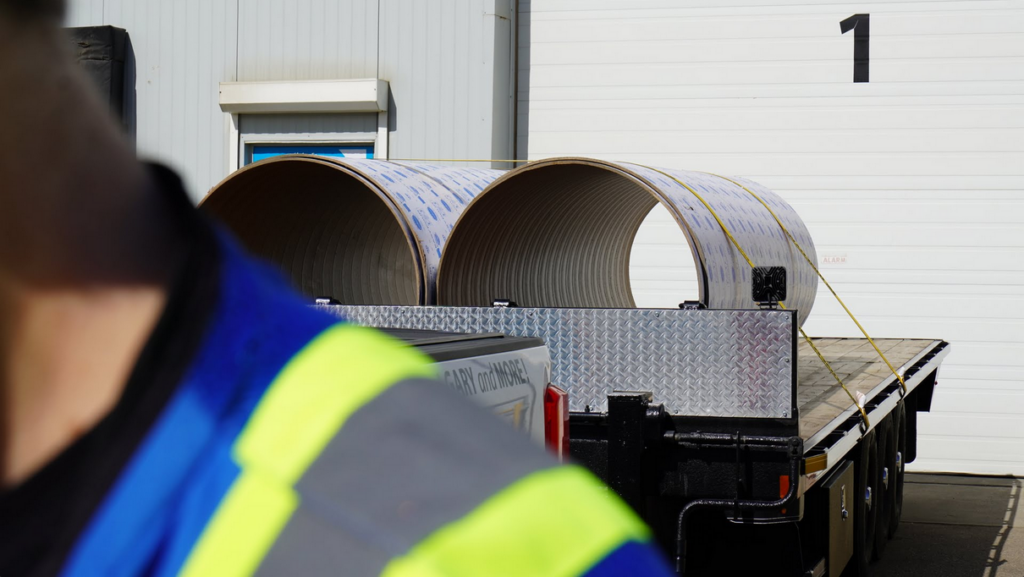
The Ultimate Guide to Industrial & Hot Shot Logistics in Alberta
BlogCourier ServicesCourier SoftwareLogistics
February 28, 2026

The Ultimate Guide to Industrial & Hot Shot Logistics in Alberta

Quick Summary

  • Definition: Hot shot services are expedited, point-to-point deliveries designed to minimize industrial downtime.
  • Geographic Reach: Specialized coverage across the Edmonton-Calgary corridor, Fort McMurray, and Grande Prairie.
  • Fleet Versatility: Utilization of everything from 1-ton pickups to 5-ton trucks and specialized flat decks.
  • Industries Served: Primary focus on Oil & Gas, Construction, ESG Energy, and Tech infrastructure.
  • Technology: Real-time GPS tracking and automated dispatching ensure 24/7 transparency.
  • Regulatory Compliance: Full adherence to Alberta’s National Safety Code (NSC) and site-specific safety protocols.

In Alberta’s industrial landscape, a single broken part can halt a multi-million dollar project. Whether it’s a drilling rig in the Peace River region or a high-tech data center built in Calgary, the cost of waiting on standard freight is often measured in tens of thousands of dollars per hour. You are likely here because you need to move critical equipment—fast.

This guide explores the mechanics of hot shot services in Alberta, providing a roadmap for Project Managers and logistics leads to navigate emergency freight. We will break down how to optimize last-mile oil & gas logistics, select the right equipment for heavy equipment delivery in Edmonton, and ensure your expedited shipping for construction meets the rigorous demands of the Alberta wild.

1. Defining Hot Shot Logistics in the Alberta Context

Hot shot trucking isn’t just fast shipping. In Alberta, it is a specialized category of logistics focused on the immediate transport of time-sensitive, often oversized or heavy cargo. Unlike LTL (Less Than Truckload) shipping, which involves multiple stops and hubs, a hot shot is a dedicated vehicle moving from Point A to Point B without deviation.

The Role of Emergency Freight in Edmonton

Edmonton serves as the “Gateway to the North.” For industries operating in the oil sands or the Industrial Heartland, emergency freight in Edmonton is the lifeline that keeps operations running. When a specialized valve fails or a critical server component is needed for a tech hub, hot shot drivers are the first responders of the supply chain.

Industrial Courier Needs in Calgary

While Edmonton handles the heavy machinery, industrial courier services in Calgary often cater to the corporate and engineering side of the energy sector. This includes the rapid movement of blueprints, sensitive ESG monitoring equipment, and high-value tech hardware that requires a higher level of security than standard mail.

The MC Dispatch “Rapid-Response” Framework

To maintain consistency in high-pressure environments, MC Dispatch utilizes the Alberta Apex Logistics System (AALS). This framework ensures that every hot shot request follows a standardized path to eliminate human error.

  1. The Intake Pulse: Immediate assessment of dimensions, weight, and site-specific PPE requirements.
  2. Asset Matching: Deployment of the specific vehicle from our 1-ton to 5-ton fleet capabilities for expedited shipping to ensure fuel efficiency and speed.
  3. Route Optimization: Real-time analysis of Alberta road bans, construction updates on Highway 2, and weather-related delays.
  4. The Secure Handshake: Digital proof of delivery with instant notification to all stakeholders via our real-time GPS tracking for the critical industrial freight system.

Logistics Insight: Using the AALS framework, we reduce the time between “call to dispatch” and “wheels on pavement” by an average of 22% compared to traditional logistics providers.

Fleet Selection: Matching the Load to the Road

Selecting the wrong vehicle is the most common cause of shipping delays. Below is a breakdown of common industrial loads and the corresponding vehicle requirements.

Industrial Fleet Capability Matrix

Load TypeRecommended VehicleCommon ApplicationKey Advantage
Small Tools/Parts1-Ton PickupMaintenance & Repair (MRO)Highest speed and agility
Palletized Freight3-Ton TruckManufacturing suppliesBalanced capacity and cost
Heavy Components5-Ton TruckConstruction machineryHigh payload for mid-range tools
Oversized/IrregularFlat DeckSpecialized flat deck haulingEasy crane loading/unloading
Remote Delivery4×4 Hot ShotOilfield/Forestry sitesAccess to off-pavement locations

Solving the “Downtime” Crisis in Oil & Gas

For those managing oilfield hauling services in Alberta, downtime is the enemy. When a rig is “down-hole” due to a mechanical failure, the logistics provider becomes the most important partner in the operation.

Last-Mile Oil & Gas Logistics

The last mile is often the most difficult. It involves navigating lease roads, following strict radio protocols (Resource Roads), and ensuring the driver has the correct safety certifications (H2S Alive, CSTS, etc.). MC Dispatch specializes in these remote site delivery services, ensuring that your cargo doesn’t just get to the nearest town, but directly to the coordinates where it is needed.

Need an immediate quote for a hot shot? Request a Consult with our Industrial Dispatch Team

Industrial Logistics for the 2026 ESG Energy Transition

The Alberta landscape is evolving. As we move into 2026, the demand for hot shot services in Alberta has shifted from traditional extraction to ESG-led energy projects, including carbon capture, hydrogen infrastructure, and large-scale solar farms.

Logistics for Hydrogen and Solar Infrastructure

The components required for hydrogen electrolysis or solar inverter stations are high-value and extremely fragile. Unlike a standard steel pipe, these electronic components require specialized handling and climate-controlled or vibration-dampened transport. MC Dispatch has adapted to this shift by training drivers in “White Glove” industrial handling, ensuring that the next generation of Alberta’s energy grid arrives without micro-fractures or internal calibration issues.

The Role of Bio-Fuels and Renewables

As project sites move further off the beaten path into the Peace River and Grande Prairie corridors, the complexity of remote site delivery services increases. These sites often lack the robust infrastructure of traditional oil sands hubs. Our fleet is prepared with 4×4 capabilities and off-road safety equipment specifically suited for the unpaved access roads leading to Alberta’s burgeoning wind and bio-fuel sectors.

Regulatory Compliance: The National Safety Code (NSC)

Operating an industrial courier service in Alberta requires more than just a truck; it requires a deep commitment to regulatory compliance. In 2026, the scrutiny on commercial vehicle safety is at an all-time high.

  • Hours of Service (HOS): Our dispatchers utilize electronic logging devices (ELDs) to ensure that every 24/7 hot shot trucking Edmonton run is compliant with provincial safety laws. A driver who is forced beyond their legal limits is a liability to your cargo and your company’s reputation.
  • Cargo Securement Standards: Whether we are performing heavy equipment delivery in Edmonton or moving sensitive tech to Calgary, every load is secured according to the Standard 10 of the NSC. This prevents shifting during the heavy braking often required on busy stretches of Highway 2.
  • Weights and Dimensions: Alberta’s “Road Ban” season (typically March to June) presents a significant hurdle for hot shot trucking. During this time, secondary roads are restricted to 75% or 90% of their axle weight capacity to prevent road damage during the spring thaw. We manage these permits on your behalf to ensure no legal interruptions occur mid-transit.

Step-by-Step: The Hot Shot Dispatch Timeline

When you call for 24/7 hot shot trucking in Edmonton, here is exactly what happens in the first two hours:

  1. 0-10 Minutes: Order received and logged. Dimensions and weight verified against vehicle availability.
  2. 15 Minutes: Driver dispatched. All drivers are briefed on site-specific hazards (e.g., specific PPE or security gate codes).
  3. 45 Minutes: Arrival at pickup location. Cargo is secured using industry-standard strapping and tarping if required.
  4. 60 Minutes: Transit begins. Clients receive a tracking link for 24/7 emergency hot shot delivery across Alberta.
  5. Ongoing: Real-time ETA updates provided via GPS integration, accounting for traffic on the QEII or weather in the mountain passes.

Local Considerations for the Alberta Corridor

Shipping in Alberta requires an understanding of the province’s unique geographic and regulatory constraints.

  • The QEII Variable: The Edmonton-Calgary corridor is prone to sudden “white-out” conditions in winter. Professional hot shot drivers monitor the 511 Alberta system constantly to pivot routes.
  • Road Bans: As mentioned, managing weights during the spring thaw is critical. Failure to account for a road ban can result in thousands of dollars in fines and the impounding of your critical equipment.
  • Site Security: Many industrial sites in Fort McMurray require pre-clearance. We maintain a database of driver certifications (CSTS, OSSA, BSO) to ensure the person we send can actually enter the site without a three-hour delay at the security gate.

Technology Integration: The Tech-Driven Supply Chain

By 2026, AI and advanced technology will have become a staple in logistics. MC Dispatch utilizes predictive analytics within our real-time GPS tracking for critical industrial freight system to anticipate delays before they happen.

Predictive Route Adjustments

Our software doesn’t just track where a truck is; it predicts where it will be based on historical traffic patterns, weather sensors, and real-time accidents reported across the Alberta 511 network. If a major collision occurs on the Red Deer bridge, our system automatically re-routes the driver via Highway 21 or Highway 22, often before the driver even sees the brake lights.

Automated Documentation

The era of the “lost clipboard” is over. Every hot shot delivery generates a digital “Birth Certificate” for the trip. This includes:

  • High-resolution photos of the cargo at pickup and drop-off.
  • Geofenced timestamps confirming exactly when the truck entered and exited the site.
  • Digital signatures that are instantly emailed to your accounting department, speeding up the “Order-to-Cash” cycle for your business.

Common Mistakes in Industrial Shipping

Even experienced Project Managers can make errors when the pressure is high. Avoid these pitfalls:

  1. Underestimating Weight: Providing an “estimate” of weight can lead to the dispatch of an undersized vehicle, causing a total restart of the process.
  2. Vague Directions: “North of the site” is not a location. Provide LSD (Legal Sub-Division) coordinates or GPS pings for remote deliveries.
  3. Ignoring PPE: If a driver arrives at a site without the correct steel-toed boots or fire-retardant clothing, they may be turned away, adding hours to the delivery time.
  4. Neglecting Loading Equipment: Ensure the pickup and drop-off points have the necessary forklifts or cranes to handle the cargo, especially for specialized flat deck hauling for oversized industrial loads.

What To Do If Something Goes Wrong

In logistics, variables like extreme weather or mechanical failure are a reality. Here is the protocol:

  • Communication First: At MC Dispatch, we notify you the moment a delay is detected—not after the delivery window has passed.
  • Asset Redundancy: If a vehicle suffers a mechanical failure, our dispatch software identifies the nearest available asset in our fleet to perform a “trans-load” and continue the journey.
  • Weather Holds: If Highway 63 is closed due to fire or snow, we provide secure holding options until the route is cleared, keeping your cargo safe and insured.

Ready to secure your supply chain? Get a customized quote for same-day industrial delivery in Calgary.

Strategic Partnership: The Role of a Lead Logistics Provider

Choosing a hot shot service shouldn’t be a one-off transaction. In the current economic climate, the most successful Alberta firms treat their couriers as strategic partners.

Consolidating Your Industrial Courier Calgary Strategy

By using a single provider for both your small-scale documents and your specialized flat deck hauling, you create a unified data stream. This allows your procurement team to see exactly where shipping bottlenecks are occurring. Are you spending too much on emergency hot shots because your primary supplier is slow to release parts? Our data helps you identify those trends and fix the root cause.

FAQ

What is the difference between a courier and a hot shot? A courier typically handles small packages with multiple stops on a route. A hot shot service is a dedicated vehicle carrying industrial freight directly to a specific site on an expedited, non-stop timeline.

How fast can a hot shot driver be on-site in Edmonton? For most urban locations in Edmonton, we can have a driver on-site for pickup within 45 to 60 minutes of the initial order, depending on the vehicle type required and current fleet positioning.

Do you provide hot shot services to Fort McMurray and Grande Prairie? Yes, we offer province-wide delivery. We specialize in the Edmonton to Fort McMurray and Calgary to Grande Prairie corridors, providing 24/7 coverage for critical industrial sites.

What weight can a 5-ton hot shot truck handle? A standard 5-ton truck can typically handle payloads up to 15,000 lbs, though this can vary based on the specific configuration of the vehicle, the weight of the driver/fuel, and Alberta road regulations.

Is my industrial cargo insured during transport? Absolutely. All MC Dispatch shipments are covered by comprehensive cargo insurance. For exceptionally high-value tech or medical equipment, we can provide additional rider insurance to match the cargo’s value.

Can I track my hot shot delivery in real-time? Yes, all our vehicles are equipped with GPS tracking. Clients receive a dedicated link via email or SMS to monitor their freight’s progress from pickup to final delivery.

How do road bans affect hot shot pricing? Road bans may require us to use smaller vehicles or alternative, longer routes to comply with weight restrictions. This can occasionally impact pricing, but we provide transparent quotes before the tires hit the pavement.

Conclusion

Navigating hot shot services in Alberta requires more than just a truck; it requires a deep understanding of the province’s industrial pulse. From expedited shipping for construction to the complexities of last-mile oil & gas logistics, having a partner that understands the “cost of a minute” is your greatest competitive advantage. By leveraging the MC Dispatch fleet and our Alberta Apex Logistics System, you ensure that your project stays on schedule, regardless of the challenges the road throws your way.

Ensure your equipment arrives on time and intact. Contact MC Dispatch today to discuss your industrial logistics needs or to receive an immediate quote for your next hot shot. Our team is standing by 24/7 to keep your operations moving.

READ MORE

Copyright © 2024 MC Dispatch. | Edmonton Web Design | Privacy Policy