
$7.50 ALL-DAY SERVICE*
CALGARY (403) 300-0940
EDMONTON (780) 483-4611
logotype
  • Home
  • About
    • Overview
    • Fleet/Equipment
    • Courier Software
    • Careers
    • Courier Services Gallery
    • News
    • Blog
    • FAQ
  • Services
    • Same-Day Courier
    • Scheduled Deliveries
    • Next Flight Out
    • Flat Deck Services
    • 5-Ton
    • 53’ Trailer & Dry LTL Services
    • Hot Shot
    • Province Wide Daily Runs
    • Messenger Service
    • Warehousing
    • White Glove
    • Legal Courier Service
    • Financial Courier Service
    • E-Commerce Fulfillment
  • Items We Ship
    • Small Packages
    • Boxes
    • Envelopes
    • Documents
    • Food
    • Skids of Product
    • Large Products/Equipment
    • Medical Supplies
    • Pharmaceuticals
    • Flowers
  • Customer Reviews
  • Pricing
  • Tracking
  • Contact
PLACE DELIVERY
TRACK DELIVERY
  • Home
  • About
    • Overview
    • Fleet/Equipment
    • Courier Software
    • Careers
    • Courier Services Gallery
    • News
    • Blog
    • FAQ
  • Services
    • Same-Day Courier
    • Scheduled Deliveries
    • Next Flight Out
    • Flat Deck Services
    • 5-Ton
    • 53’ Trailer & Dry LTL Services
    • Hot Shot
    • Province Wide Daily Runs
    • Messenger Service
    • Warehousing
    • White Glove
    • Legal Courier Service
    • Financial Courier Service
    • E-Commerce Fulfillment
  • Items We Ship
    • Small Packages
    • Boxes
    • Envelopes
    • Documents
    • Food
    • Skids of Product
    • Large Products/Equipment
    • Medical Supplies
    • Pharmaceuticals
    • Flowers
  • Customer Reviews
  • Pricing
  • Tracking
  • Contact
logotype
logo-edmonton-deliveries
  • Home
  • About
    • Overview
    • Fleet/Equipment
    • Courier Software
    • Careers
    • Courier Services Gallery
    • Blog
    • FAQ
  • Services
    • Same-Day Courier
    • Scheduled Deliveries
    • Next Flight Out
    • 5-Ton
    • Hot Shot
    • Province Wide Daily Runs
    • Messenger Service
    • Warehousing
    • White Glove
    • Legal Courier Service
    • Financial Courier Service
    • E-Commerce Fulfillment
  • Items We Ship
    • Small Packages
    • Boxes
    • Envelopes
    • Documents
    • Food
    • Skids of Product
    • Medical Supplies
    • Pharmaceuticals
    • Flowers
  • Customer Reviews
  • Pricing
  • Tracking
  • Contact

Logistics

HomeArchive by Category "Logistics"

Category: Logistics

Edmonton to Fort McMurray Winter Freight: What Actually Happens to Your Shipment on Highway 63
BlogLogistics
November 5, 2026

Edmonton to Fort McMurray Winter Freight: What Actually Happens to Your Shipment on Highway 63

If you ship freight from Edmonton to Fort McMurray between November and April, you likely have two questions: will it arrive on time, and will it arrive in the same condition it left? This guide answers both. It explains what actually happens to a load on the Edmonton–Fort McMurray corridor when snow, freezing rain, or deep cold hits, from the pre-departure road check to a highway hold to the final site delivery.

You will also get a planning framework for sorting freight by winter risk, a pre-shipment checklist, common mistakes, and a plan for when something goes wrong.

Quick Summary

  • The Edmonton–Fort McMurray trip covers roughly 430 km or more, most of it on Highway 63, with sparse services north of Wandering River.
  • Winter delays usually come from closures, freezing rain, and whiteouts rather than distance. When the highway closes, freight waits until it reopens.
  • Standard cargo vans and dry trailers are not heated. Freight in a parked vehicle drifts toward the outside temperature over several hours.
  • Freeze-sensitive goods, such as water-based paints, adhesives, beverages, and some medical supplies, need different handling than steel, pipe, or dry goods.
  • Build a weather buffer into any delivery that feeds a shutdown, turnaround, or site deadline.
  • Check 511 Alberta before booking and again before pickup, and give the carrier a receiving contact who answers the phone.
  • MC Dispatch lists Fort McMurray among its province-wide daily run locations and offers next-day hot shot service there.

Why the Edmonton–Fort McMurray Corridor Behaves Differently in Winter

Highway 63 is the main road link between Edmonton and Fort McMurray, and for most freight there is no practical alternative. From Edmonton, trucks head north on Highway 28 and then onto Highway 63. The twinned section runs about 240 km, from the Highway 55 junction near Grassland to Fort McMurray. Twinning reduced head-on risk and congestion, but it did not change the weather.

What makes this route hard on freight

  • Sparse services. Wandering River sits about 200 km south of Fort McMurray, near the halfway point. North of it, a truck that has to stop has few places to wait.
  • Freezing rain. In November 2025, freezing rain near Mariana Lake iced the northbound lanes, and multiple vehicles, including semi-trailers, stopped in the lanes or slid into the ditch.
  • Late-season storms. In April 2026, up to 60 cm of snow closed Highway 63 between Wandering River and Highway 881, stranding hundreds of travellers overnight. Alberta Sheriffs blocked northbound traffic at Wandering River.
  • Deep cold. Fort McMurray winters regularly bring stretches below -30 °C, which affects batteries, liftgates, fuel, and anything in the load that contains water.
  • Maintenance outside your control. The Province of Alberta plows Highways 63 and 881 through its maintenance contractor, so no shipper or carrier controls reopening times.

What a road report tells a driver

511 Alberta is the province’s official road report, with current conditions, closures, incidents, and highway cameras. On its map, closed roads appear in red and roads where travel is not recommended appear in purple. A closure stops a commercial run outright. A not-recommended status leaves the call to the carrier, and a careful carrier will usually hold the load rather than push through.

Shipping north this winter? Tell MC Dispatch what you are moving, its size and weight, and your real deadline at site. Request a quote and get a service and timeline that account for winter conditions.

What Actually Happens to a Load on a Winter Run, Stage by Stage

Most winter problems happen at three points: the go or no-go decision before departure, a hold on the highway, and the final site delivery. Here is the full sequence for a typical Edmonton to Fort McMurray shipment.

  1. Booking and screening. Dispatch confirms pickup time, size, weight, and whether anything is freeze-sensitive or deadline-driven. The weather buffer belongs here.
  2. Pre-departure road check. The full corridor is checked on 511 Alberta along with the route forecast. If the highway is closed or travel is not recommended, the load waits at origin, which is the best place for it.
  3. Loading. Freeze-sensitive items ride toward the front, away from the doors and off the floor. Pallets are wrapped and secured for icy braking.
  4. Edmonton to the Highway 55 junction. Open farmland brings blowing snow, and the road south of the twinned section is narrower.
  5. Wandering River to Mariana Lake. The remote middle of the trip is a recurring trouble spot in ice storms. If conditions change, the driver may stop and wait, and an unheated cargo area cools toward the outside temperature.
  6. Arrival in Fort McMurray. Snow-packed streets and frozen yards slow the last kilometres, and liftgates and forklifts work more slowly in deep cold.
  7. Site delivery. Industrial and oil sands sites can require gate check-in, set receiving hours, or safety orientation. A missed window can push delivery to the next day.
  8. Inspection. The receiver should inspect freight promptly and note any damage or signs of freezing before signing.

The Winter Freight Risk Ladder: A Planning Framework for the Fort McMurray Run

Sort every northbound winter shipment with two questions: can it freeze, and what happens if it arrives a day late? The answers put it on one of four rungs, and each rung calls for a different shipping approach. This is an independent planning tool for shippers, not a description of any carrier’s internal process.

RungFreight profileExamplesMain winter riskSuggested approachBuffer to plan
1Cold-tolerant, flexible dateSteel, pipe, fasteners, packaged dry goods, documentsDelay onlyScheduled province-wide run1 business day
2Cold-tolerant, deadline-drivenReplacement parts, tools, shutdown or turnaround materialsMissed deadlineDedicated hot shot, booked early1 to 2 days before the need date
3Freeze-sensitive, flexible dateWater-based paints, sealants, adhesives, beverages, some cleaning chemicalsFreezing during a holdShip in a milder weather window, insulate, avoid overnight holds in a parked vehicleWait for a better forecast
4Freeze-sensitive, deadline-drivenMedical supplies, pharmaceuticals, lab samples, some batteriesFreezing plus a missed deadlineInsulated or temperature-controlled packaging, direct routing, confirmed receiverPlan with the carrier days ahead

How to use the ladder

  • Rate the shipment by its most sensitive item, not the bulk of the load. One case of sealant moves a pallet of hardware to Rung 3.
  • Move up one rung when the forecast shows freezing rain, a cold snap, or a storm on your ship date.
  • Check the product label or safety data sheet for freeze-thaw limits before calling a product cold-tolerant.

Realistic service constraints with MC Dispatch on this corridor
Edmonton to Fort McMurray Winter Freight: What Actually Happens to Your Shipment on Highway 63

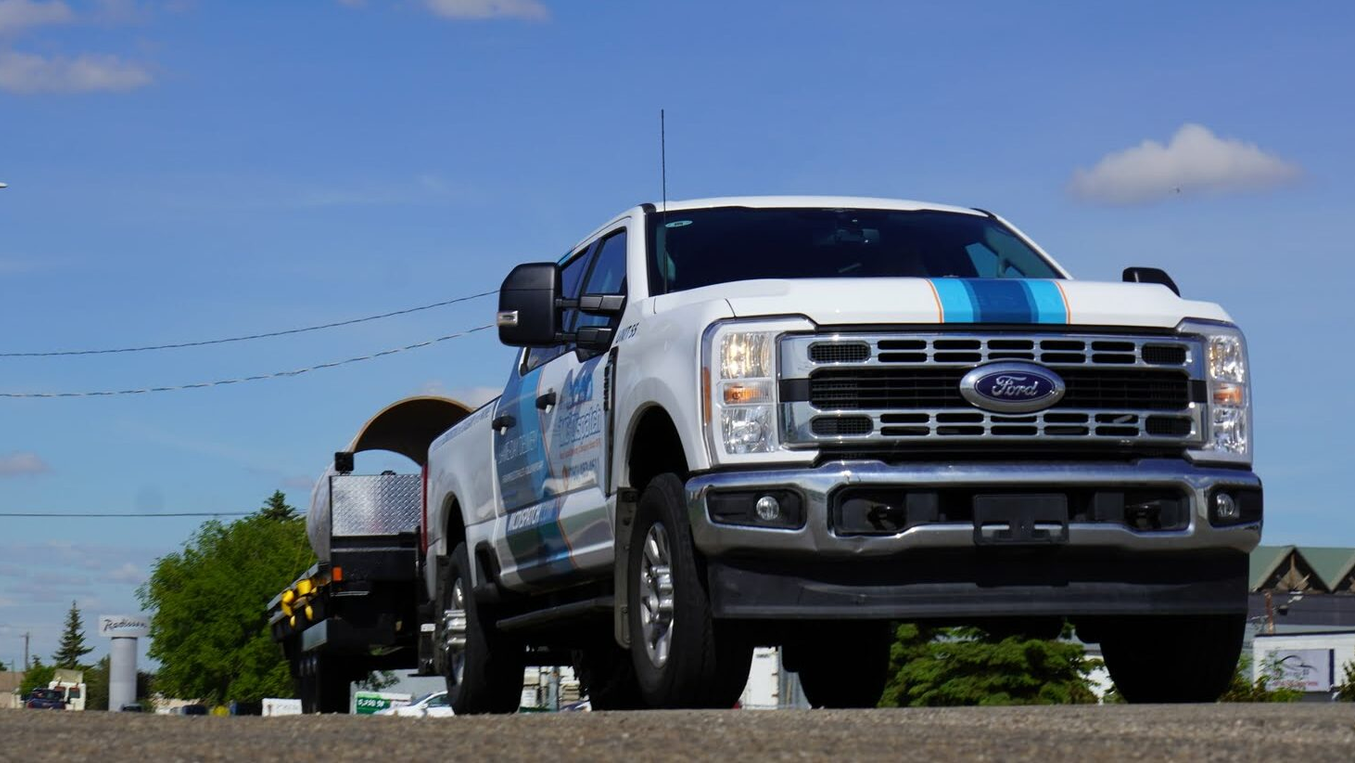
MC Dispatch lists Fort McMurray among its province-wide daily run locations, and province-wide runs start at $85 per trip on its published rates. Its hot shot service lists next-day service to Fort McMurray, so plan around next-day arrival rather than same-afternoon delivery.

The fleet ranges from cars and vans to 5-ton trucks with power tailgates, 53-foot dry vans, and flat decks, so the right vehicle depends on what you ship and how the site receives it. If a closure is forecast, freight can be staged in Edmonton instead of sitting on the highway. MC Dispatch offers warehousing without long-term contracts, which suits short holds of a few days.

Need a number for your budget? Review MC Dispatch’s published rates on the pricing page, then request a quote for your Fort McMurray shipment. Long-distance pricing depends on size, weight, vehicle type, and timing.

48-Hour Pre-Shipment Checklist for Winter Freight to Fort McMurray

Work through these steps two days before any winter shipment north. Each one removes a common cause of delay or damage.

  1. Rate the shipment on the Risk Ladder and flag Rung 3 or 4 to dispatch.
  2. Check the corridor: the three-day forecast for Edmonton, Wandering River, and Fort McMurray, plus current 511 Alberta conditions.
  3. Work back from the real need date and set the ship date with the buffer from the table.
  4. Confirm freeze limits on labels or safety data sheets, and mark sensitive cartons on at least two sides.
  5. Pack for cold with insulated pallet covers, sealed liquids, and cold-rated stretch wrap, since standard film can lose cling in extreme cold.
  6. Send full site details: gate or building, receiving hours, PPE or orientation needs, and an on-site contact who answers the phone.
  7. Confirm handling: dimensions, weight, and whether the site has a dock and forklift or needs a liftgate.
  8. Agree on a hold plan: wait at origin, return, or stage in a warehouse if the highway closes.
  9. Share tracking with the receiver so they can plan staff and equipment.

Common Mistakes Shippers Make on the Winter Fort McMurray Run

  • No buffer. One closure or ice storm turns an on-time plan into a missed shutdown window.
  • Treating a mixed load as cold-tolerant. One case of adhesive changes how the whole pallet should ship.
  • Shipping freeze-sensitive goods late in the week. If the site does not receive on weekends, freight can sit until Monday.
  • Checking weather only in Edmonton. Conditions near Mariana Lake can be very different from the city.
  • Incomplete site details. A missing gate name, contact, or orientation requirement can stop a delivery at the gate.
  • Signing without inspecting. Freeze damage is harder to claim once the delivery record is signed clean.
  • Pushing for a run during a closure. Closures are enforced at the road, so pressure adds risk without saving time.

What To Do If Something Goes Wrong

If the highway closes while freight is in transit

  • Check tracking and confirm with dispatch where the vehicle is holding.
  • Tell the receiver right away and reset the expected delivery window.
  • For Rung 3 or 4 freight, decide with dispatch whether to continue once the road reopens, return to Edmonton, or stage the load.

If freight arrives frozen or damaged

  1. Note the issue on the delivery record before signing, such as frost inside packaging, bulging containers, or cracked pails.
  2. Photograph the packaging, labels, and pallet before anything is moved.
  3. Set the product aside and do not use it until it is checked against the manufacturer’s guidance.
  4. Contact the carrier the same day with photos and the order or bill of lading number.
  5. Keep all packaging until the claim is resolved.

If delivery misses a critical deadline

  • Ask about a dedicated hot shot for the most urgent items, such as a single replacement part.
  • Check whether a Fort McMurray supplier can cover the gap until the main shipment arrives.

Already have freight on the road? Track your delivery or call MC Dispatch in Edmonton at (780) 483-4611 for a status update.

Frequently Asked Questions

How long does freight take from Edmonton to Fort McMurray in winter?

The drive is roughly 430 km, and MC Dispatch lists next-day hot shot service to Fort McMurray. A closure or ice storm can add a day or more, as seen when Highway 63 closed for over a day in April 2026. Plan at least one extra business day for winter shipments.

Will my freight freeze during a winter delivery?

It can if it contains water and sits in an unheated vehicle during a long hold. Cargo areas in standard vans and dry trailers drift toward the outside temperature over several hours. Insulated packaging and avoiding overnight holds lower the risk.

What happens if Highway 63 closes while my shipment is on the road?

The vehicle waits at a safe location until the province reopens the highway, or returns to origin if that makes more sense. Track the shipment, tell your receiver, and agree on next steps with dispatch.

How can I check Highway 63 road conditions before shipping?

Use 511 Alberta, the province’s official road report, on its website or app, or dial 511 in Alberta. It shows closures, incidents, highway cameras, and roads where travel is not recommended.

Which items should not ship in an unheated vehicle in winter?

Water-based paints, latex sealants, adhesives, beverages, some cleaning chemicals, certain medical supplies, and some batteries are common examples. Check the product label or safety data sheet for freeze limits before booking.

Does MC Dispatch deliver from Edmonton to Fort McMurray?

Yes. MC Dispatch lists Fort McMurray among its province-wide daily run locations and offers next-day hot shot service there. Contact the team for a quote based on your freight and timing.

How much buffer should I add for winter freight to Fort McMurray?

Add at least one business day for cold-tolerant freight with a flexible date. Add one to two days for anything tied to a shutdown or site deadline, and plan freeze-sensitive, urgent freight with your carrier several days ahead.

Conclusion

Winter freight on Highway 63 rarely fails because of distance. It fails because of closures, holds in the cold, and site details nobody confirmed. Rate each shipment by freeze risk and deadline, add a realistic buffer, pack for the cold, and agree on a hold plan before the truck leaves Edmonton.

Ready to ship north? MC Dispatch runs province-wide deliveries that include Fort McMurray, with hot shot options for urgent freight. Share your freight details and deadline, and an account manager will help you plan around winter conditions. Request your quote today.


READ MORE
Next Flight Out From Alberta: How to Get Urgent Shipments Across Canada in Hours When Same-Day Ground Isn't Fast Enough
BlogCourier ServicesLogistics
November 5, 2026

Next Flight Out From Alberta: How to Get Urgent Shipments Across Canada in Hours When Same-Day Ground Isn’t Fast Enough

If a part, signed document or medical shipment has to reach Vancouver, Toronto, Montreal or Halifax today, a truck leaving Edmonton or Calgary will not get it there in time. Next Flight Out (NFO) fills that gap. A courier picks up your shipment, tenders it to the earliest available commercial flight, and a courier at the destination recovers it from the airline and delivers it, often within hours.

This guide is for Alberta shippers deciding right now whether to fly or drive an urgent shipment. You will get a decision framework, a realistic hour-by-hour timeline, a prep checklist, the mistakes that cause missed flights, and a plan for when something goes wrong.

Quick Summary

  • Next Flight Out puts an urgent shipment on the earliest available commercial flight, with courier pickup at origin and courier delivery at destination.
  • Inside Alberta, ground usually wins. Edmonton–Calgary same-day and hot shot runs are simpler and cheaper than flying.
  • Air wins once the destination is beyond a realistic same-day drive, such as coastal BC, Ontario, Quebec, Atlantic Canada and much of the North.
  • Your real deadline is the airline’s cargo tender cutoff, not the departure time. Missing it by minutes means waiting for the next flight.
  • Eastbound shipments lose clock time: Toronto is two hours ahead of Alberta and Halifax is three.
  • Dangerous goods, including many lithium batteries, must be properly classified and documented for air, or the shipment will be refused.
  • Accurate weight, dimensions, contents and recipient details are the fastest things a shipper controls.
  • MC Dispatch lists 24/7 Next Flight Out service from Edmonton, Calgary, Winnipeg and Saskatoon.

What Next Flight Out Means and How It Differs From Ground

Next Flight Out From Alberta: How to Get Urgent Shipments Across Canada in Hours When Same-Day Ground Isn't Fast Enough

Next Flight Out is a door-to-door air service that uses existing scheduled flights instead of a dedicated aircraft. Because the shipment rides the first flight with space rather than waiting for an overnight network sort, it is typically faster than express or overnight shipping.

The chain has three handoffs: origin courier to airline, airline flight, and airline to destination courier. MC Dispatch describes its Next Flight Out service this way: pickup at your location, drop-off at the appropriate airline terminal, then pickup on arrival and delivery to the final address. The company lists the service as available 24/7, including weekends, holidays and after hours, alongside charter flight, hand carry and direct drive options.

When Ground Is Still the Better Choice

For most moves inside Alberta, flying adds two airport handoffs that a direct drive avoids. An Edmonton–Calgary shipment is usually faster and cheaper on the road than through two airport cargo counters.

MC Dispatch’s same-day courier service covers urgent city and intercity work, and its hot shot service lists same-day coverage for Edmonton, Calgary and surrounding areas, with next-day service to Grande Prairie and Fort McMurray. If your destination falls inside those lanes, start there.

When Same-Day Ground Isn’t Fast Enough

Air becomes the right call when one or more of these is true:

  • The destination is beyond a realistic same-day drive. Vancouver is roughly a 10- to 12-hour drive from Calgary and longer from Edmonton, and Ontario and Quebec are multi-day drives.
  • Equipment is down. A stopped production line, idle rig or grounded aircraft often costs more per hour than the flight.
  • A legal or financial deadline sits in another province, such as signed originals due before close of business.
  • The contents have a short usable life, such as temperature-sensitive medical supplies or pharmaceuticals.
  • The recipient cannot wait for tomorrow’s network delivery, and a missed day has a real dollar cost.

The Five-Leg Clock: A Framework for Deciding Air vs. Ground

The Five-Leg Clock is a planning tool for Alberta shippers, not a description of any carrier’s internal process. Every Next Flight Out shipment runs on five legs. Estimate each one, add the time zone change, and compare the total against your real deadline and the drive time.

LegWhat happensPlanning rangeWhat you control
1. First mileCourier picks up and drives to YEG or YYC cargo45–90 min, including dispatchShipment packed, labelled and ready before you call
2. Tender and acceptanceAirline weighs, checks paperwork and screens the shipmentCutoff commonly 60–120 min before departure; varies by airline and productBook early and declare contents accurately
3. FlightScheduled flight, plus any connectionAbout 1.5 hours to Vancouver; about 4 hours to TorontoAsk for a nonstop where one exists
4. RecoveryDestination courier collects from airline cargo30–90 min after arrivalCorrect air waybill and recipient details
5. Last mileDelivery to the consignee30–90 min in most metro areasSomeone on site to sign, with a working phone number

Planning ranges are typical estimates for budgeting time, not guarantees. Confirm actual cutoffs and flights when you book.

How to Use the Clock

  1. Write down the latest acceptable delivery time in the destination’s time zone.
  2. Add up legs 1 to 5 using the upper end of each range.
  3. Apply the time zone change: add one hour for Winnipeg, two for Toronto or Montreal, three for Halifax, and subtract one for Vancouver.
  4. If the total lands before your deadline with at least an hour of buffer, fly. If it does not, ask about the next departure, a charter, a hand carry or a direct drive.

An Illustrative Example

A replacement part is ready at noon in south Edmonton for a plant near Toronto. With pickup by 12:45 p.m. and tender at YEG by about 1:45 p.m., a mid-afternoon departure around 3:30 p.m. Mountain Time lands about four hours later, near 9:30 p.m. Eastern. Recovery and delivery could put the part on site before midnight Eastern. By road, the same trip is more than 3,000 km and takes days. Schedules vary daily, so treat this as a model, not a promise.

Alberta and Prairie Considerations

Local geography and weather shape every leg of the clock:

  • YEG sits south of the city. Edmonton International Airport is in Leduc County, so first-mile time from north and west industrial areas is longer than many shippers expect, especially at rush hour on the QEII.
  • YYC is in northeast Calgary. Pickups from the south end of the city cross most of Calgary to reach air cargo.
  • Calgary often has more departures. YYC generally offers more daily flights than YEG, so a missed Edmonton cutoff sometimes has a later Calgary option worth asking about.
  • Winter adds time. De-icing, ground holds, and highway conditions from November to March justify a bigger buffer.
  • Saskatchewan does not change its clocks. Saskatoon stays on Central Standard Time year-round, so it matches Alberta in summer and is one hour ahead in winter.
  • Smaller destinations have fewer flights. For regional or northern airports, the next flight may be tomorrow, which changes the math entirely.

Not sure whether your shipment should fly or drive? Call MC Dispatch in Edmonton at (780) 483-4611 or Calgary at (403) 300-0940, or request a quote online with your pickup address, destination and deadline.

Step-by-Step Checklist: Preparing a Next Flight Out Shipment

Work through these steps in order. Most missed flights trace back to step 2 or step 3.

  1. Confirm the real deadline. Get the latest acceptable delivery time from the recipient, in their time zone, and the name of the person who will sign.
  2. Measure and weigh. Record piece count, actual weight and length × width × height for every piece. Estimates cause rebooking when the airline weighs the shipment.
  3. Screen for dangerous goods. Check for lithium batteries (including those inside tools, laptops and scanners), aerosols, flammable liquids, compressed gas, dry ice and magnetized items. Under Part 12 of Canada’s Transportation of Dangerous Goods Regulations, dangerous goods offered for air transport must follow the ICAO Technical Instructions, and the shipper is responsible for classification and documentation.
  4. Pack for air handling. Use a rigid outer box, enough cushioning to survive drops and stacking, and orientation arrows for anything that must stay upright. Remove old labels and barcodes from reused boxes.
  5. Label every piece. Include consignee name, street address, phone number and piece count, such as 1 of 2 and 2 of 2.
  6. Book with complete details. Give the courier pickup address, ready time, destination, deadline, contents, weight, dimensions and a backup contact at both ends.
  7. Prepare documents. Domestic flights do not need customs paperwork, but regulated dangerous goods need a shipper’s declaration, and some items need a safety data sheet on hand.
  8. Hand off and record tracking. Note the air waybill or tracking number and the flight details once confirmed.
  9. Brief the recipient. Send the ETA, tracking number and courier contact so someone is ready to receive.
  10. Confirm delivery. Check proof of delivery and report any visible damage the same day.

Realistic Service Constraints

Next Flight Out is fast, but it has limits worth knowing before you commit:

  • Size and weight: Passenger aircraft holds have door and floor limits. Oversized or very heavy pieces may need a cargo flight, a charter or ground freight.
  • Security screening: Air cargo is subject to federal security screening. Unusual packaging or unclear contents can slow acceptance.
  • Space and embargoes: Airlines can restrict cargo during holiday peaks, weather events or when holds are full, which can bump a shipment to a later flight.
  • Special handling: Temperature-controlled, perishable and high-value shipments often have extra acceptance rules.
  • Destination reach: Delivery speed at the far end depends on the destination courier and how far the address is from the airport.
  • Cost: Air is priced per shipment based on weight, dimensions, urgency and both ground legs. It costs more than ground, so it makes sense when the cost of delay is higher.

For local work that does not need a flight, MC Dispatch publishes standard courier pricing, and Next Flight Out shipments are quoted to the specific lane and deadline.

Common Mistakes

  • Planning against the departure time instead of the cargo tender cutoff.
  • Forgetting the eastbound time change, which cuts two to three hours from the receiving day.
  • Shipping equipment with undeclared lithium batteries inside it.
  • Guessing dimensions, then facing a surprise dimensional weight charge or a piece too large for the aircraft.
  • Booking an after-hours arrival with nobody available to sign at destination.
  • Choosing air for Edmonton–Calgary when a direct drive would arrive sooner.
  • Giving one contact who goes offline during the shipment.

What To Do If Something Goes Wrong

Missed the cutoff. Ask for the next departure from the same airport and whether an earlier option exists from the other one. Compare that against a direct drive or hand carry before deciding.

Flight delayed or cancelled. Ask to rebook on the next available flight, including another airline if needed. Update the recipient with the new ETA right away.

Held at acceptance or screening. Find out exactly what is missing. Provide the safety data sheet or corrected paperwork, or remove the restricted item and reship. If the item cannot fly, switch to ground.

Offloaded for space or weight. Ask whether the shipment can be split so critical pieces fly first, and confirm which flight the remainder is on.

Damaged on arrival. Photograph the packaging and contents before opening further, note the damage on the proof of delivery, keep all packaging, and report it promptly to start a claim.

Recipient unavailable. Arrange a hold at the airline cargo facility for pickup or a first-morning redelivery, and confirm a new contact.

Frequently Asked Questions

What is Next Flight Out shipping?

Next Flight Out is a door-to-door air service that places an urgent shipment on the earliest available commercial flight. A courier picks it up and tenders it to the airline, and a courier at the destination recovers it and delivers it to the recipient.

How fast is Next Flight Out from Edmonton or Calgary?

Delivery time depends on the cargo cutoff, flight length, time zone change and both ground legs. Flights take about 1.5 hours to Vancouver, and about 4 hours to Toronto, so same-day delivery is often possible when the shipment is ready early enough to make an afternoon flight.

Is Next Flight Out available on weekends and after hours?

MC Dispatch lists its Next Flight Out service as available 24/7, including weekends, holidays and after hours. Flight availability on a given route still depends on airline schedules.

When should I use ground instead of Next Flight Out in Alberta?

Use ground for Edmonton–Calgary and most other Alberta lanes, where a direct drive avoids two airport handoffs. Same-day courier and hot shot service are usually faster and less expensive than flying within the province.

Can I ship lithium batteries or other dangerous goods on Next Flight Out?

Some dangerous goods can fly if they are properly classified, packed, labelled and documented under the Transportation of Dangerous Goods Regulations and ICAO Technical Instructions. Undeclared items can be refused or held, so tell your courier about batteries, aerosols, flammables or dry ice when booking.

How much does Next Flight Out cost?

Next Flight Out is quoted per shipment based on weight, dimensions, destination, urgency and the pickup and delivery legs. It costs more than ground service, so it is best used when a delay would cost more than the flight.

Conclusion

Next Flight Out is the right tool when the destination is beyond a same-day drive, and the cost of waiting is higher than the cost of flying. Run the Five-Leg Clock, respect the tender cutoff and the time zone change, declare contents accurately, and have someone ready at the other end. For moves inside Alberta, ground service usually gets there first.

Have an urgent shipment that needs to leave Edmonton or Calgary today? Place your delivery or call MC Dispatch directly to confirm the fastest flight or ground option for your deadline. The team works 24/7, including weekends and holidays.

READ MORE
Alberta E-Commerce Fulfillment vs. Self-Shipping: Van, 5-Ton, Flat Deck, or 53' Trailer?
Courier ServicesLogistics
October 28, 2026

Alberta E-Commerce Fulfillment vs. Self-Shipping: Van, 5-Ton, Flat Deck, or 53′ Trailer?

If you sell or distribute products in Alberta, every shipment involves two decisions: who handles the orders, and which vehicle moves them. Getting either one wrong costs you. You lose staff hours packing boxes, or you book a truck that’s too small, too big, or can’t unload at the destination.

This guide is for Alberta business owners, online sellers and operations managers who want a clear answer on both. You’ll learn when outsourced e-commerce fulfillment makes more sense than shipping yourself, and how to choose between a cargo van, 5-ton truck, flat deck and 53′ trailer based on size, weight, loading access, season and timing.

Quick Summary

  • Self-shipping works while order volume is low and predictable, and your team has time to pick, pack and book carriers.
  • Outsourced fulfillment starts to pay off when packing cuts into sales time, storage runs short, or peak seasons cause missed cutoffs.
  • Choose a truck based on floor space, weight, loading access, weather exposure and urgency. Box count alone is not enough.
  • Cargo vans suit parcels and cartons. 5-ton trucks carry up to about 12 skids and have a power tailgate for sites without a dock.
  • Flat decks handle long, heavy or awkward freight such as pipe and machinery that loads from the side or top.
  • 53′ trailers suit full loads of roughly 24 pallets and work best with a dock or forklift at both ends.
  • Alberta factors can change the right vehicle choice. These include spring road bans, winter conditions and rural delivery access.

E-Commerce Fulfillment vs. Self-Shipping: What You’re Deciding

With self-shipping, your team stores inventory, picks and packs orders, prints labels, and books a courier or freight carrier for every outbound load. With outsourced fulfillment, a logistics provider stores your stock, processes orders as they arrive and hands them directly to delivery drivers.

Neither option is cheaper by default. The answer depends on order volume, product type, and how much of your team’s week goes to shipping.

When Self-Shipping Still Makes Sense

  • One person can pack your daily orders in a few hours.
  • Products are custom, made to order, or need inspection before they leave.
  • Most outbound freight is occasional bulk loads to a small number of business customers.
  • You have storage with a dock or forklift, or reliable ground-level access.

When Outsourced Fulfillment Is Worth Pricing Out

  • Packing and booking shipments regularly pull owners or salespeople away from revenue work.
  • Inventory is overflowing into offices, garages or rented extra space.
  • Orders spike around Black Friday, the holidays or product launches, and you miss same-day cutoffs.
  • Stock arrives in pallets, but it goes out as single parcels to consumers across Edmonton, Calgary and smaller centres.

In that last situation, a combined warehouse and delivery setup helps most, because inbound freight and outbound orders are handled in one place. MC Dispatch’s e-commerce fulfillment service covers storage, packaging and shipping for online sellers in Alberta.

Many businesses choose a hybrid. They outsource consumer parcel orders and keep booking trucks directly for bulk B2B loads. Either way, you still need to know which truck fits.

Van, 5-Ton, Flat Deck or 53′ Trailer: Side-by-Side Comparison

The capacities below come from MC Dispatch’s published fleet specifications. Other carriers’ equipment varies, so confirm dimensions before you book.

VehiclePublished CapacityBest ForLoading NeedsWatch Out For
Cargo vanSmall and medium packages and boxesE-commerce parcels, documents, small partsHand-carriedNot built for pallets
1-ton truck16 ft box, up to 4,000 lbs, about 7 skidsSmall pallet loads, height-restricted sitesForklift at both endsLimited floor space
5-ton truckBox up to 26 ft long, 8 ft wide, 8 ft high; about 12 skidsMulti-pallet drops to stores, homes and job sitesHydraulic tailgate lifts to 2,000 lbsPieces over 2,000 lbs need a forklift
Flat deck24′ and 30′ bumper-pull decksPipe, steel, lumber, machinery, oversized itemsForklift, crane or telehandler from side or topWeather-sensitive freight needs tarping
53′ dry trailerAbout 24 full-size pallets, up to 60,000 lbsFull truckloads, warehouse transfersDock or forklift at both endsNeeds manoeuvring room and a receiving dock

Cargo Vans

Vans are the standard choice for e-commerce parcels. They fit downtown loading zones and residential streets, and they handle multi-stop routes efficiently. If one person can carry each carton, a van is almost always the right vehicle.

5-Ton Trucks

The 5-ton is the main option for multi-pallet deliveries to places without a dock. MC Dispatch’s 5-ton service uses enclosed box trucks with hydraulic power tailgates, so drivers can lower pallets to ground level at a store, jobsite or home. Each pallet must stay under the 2,000 lb tailgate limit.

Flat Decks

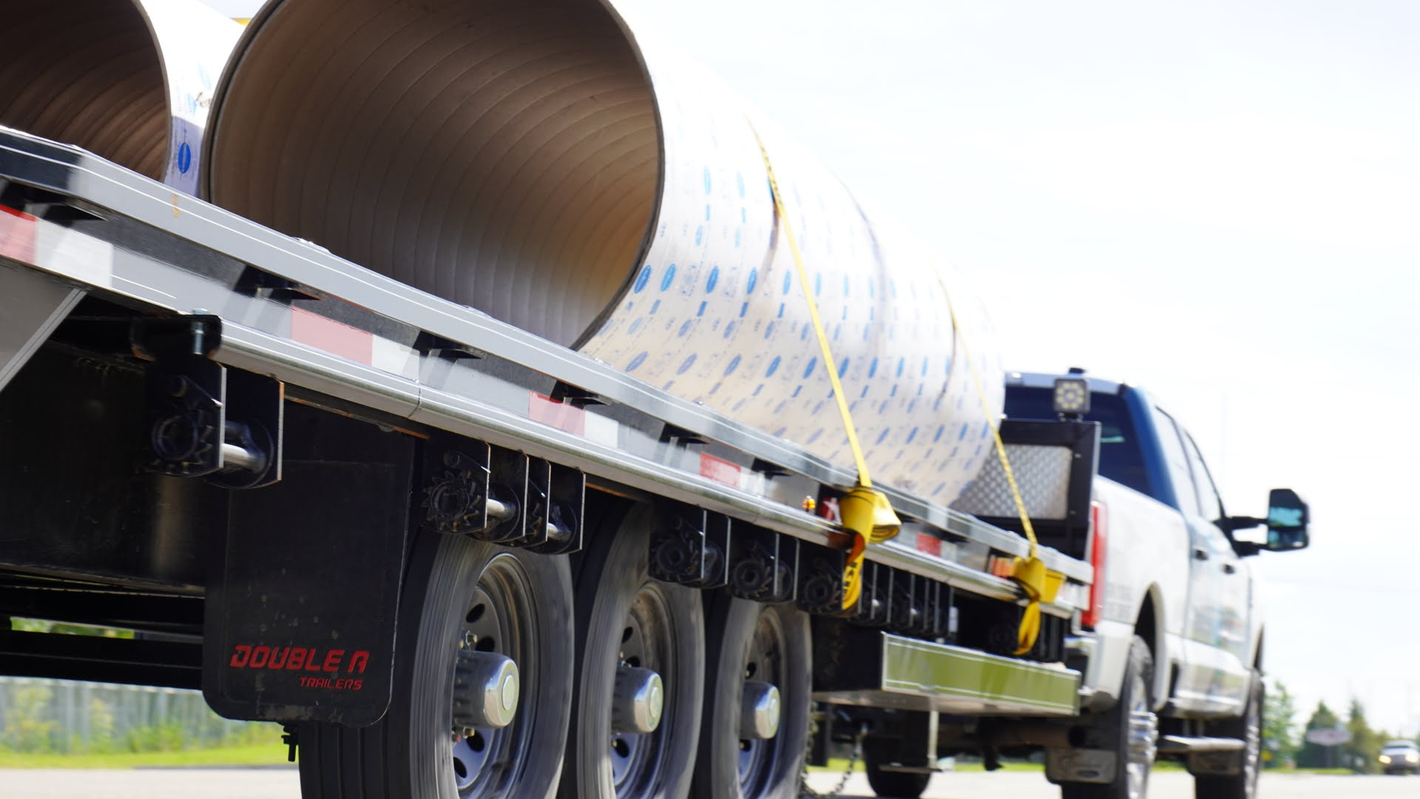
Choose a flat deck when an item is too long, heavy or irregular for an enclosed box, or when it must be loaded by crane or from the side. Flat deck services cover piping, heavy equipment and tarped loads that need weather protection.

53′ Trailers

For full loads between warehouses, or from a supplier to your facility, one 53′ trailer trip can replace several smaller-truck trips. The 53′ trailer and dry LTL service handles both full truckloads and less-than-truckload freight.

The FIT-5 Method: A Framework for Choosing the Right Truck

Work through these five questions in order. Each one can rule out a vehicle before you request a quote.

  1. Footprint. Count floor positions, not boxes. Measure each pallet’s length and width and note whether it can be stacked. Ten non-stackable pallets need ten floor spots.
  2. Individual and total weight. Record both the total weight and the heaviest single piece. The heaviest piece tells you whether a tailgate will work. The total tells you which truck class you need.
  3. Transfer at each end. Find out whether the pickup and delivery sites have a dock, a forklift, or ground-level access only. Ground level with no equipment points to a van or tailgate truck. Crane or side loading points to a flat deck. Docks at both ends make a trailer practical.
  4. Exposure. Ask whether the freight can get wet, dirty or frozen. Use an enclosed vehicle for anything sensitive. Use a flat deck only for freight that can be tarped or handles weather well.
  5. Timing. Decide whether the load is same-day, scheduled or recurring. Urgent loads justify a dedicated vehicle. Flexible loads can often ride on scheduled regional runs or LTL.

Quick Decision Rules

  • Hand-carried cartons, no pallets: cargo van
  • 1 to 7 skids, forklift at both ends, low headroom: 1-ton
  • Up to about 12 skids, or no dock at delivery: 5-ton with tailgate
  • Long, heavy or crane-loaded items: flat deck
  • More than 12 pallets, or dock-to-dock transfers: 53′ trailer, full load or LTL

As a working rule, leave 10 to 15 percent of floor space unused so there’s room for securing the load and odd-sized pieces.

Not sure which vehicle your load needs? Check MC Dispatch’s pricing page, or send your pallet count, weights and addresses to get a quote matched to the right truck.

Alberta Factors That Can Change Your Truck Choice

Alberta E-Commerce Fulfillment vs. Self-Shipping: Van, 5-Ton, Flat Deck, or 53' Trailer?

Spring Road Bans and Seasonal Weights

During spring thaw, allowable axle weights drop on many provincial and local roads to prevent damage. Heavy deliveries to acreages, farm yards or county roads may need to be split across smaller vehicles or moved to a later date. Before booking heavy spring deliveries, check the Government of Alberta’s road restrictions and bans page, and contact the county or municipal district for local roads.

Winter Conditions

From about October to April, cold weather affects both the freight and the unloading. Liquids, paints, adhesives, some electronics and food products need enclosed transport. Ask about temperature-sensitive handling before you book. Snow and ice slow down tailgate drops at homes, so clear the drop area and allow extra delivery time.

Edmonton–Calgary and Regional Runs

The Queen Elizabeth II Highway between Edmonton and Calgary is roughly 300 km. MC Dispatch runs between the two cities daily. It also serves centres including Fort McMurray, Grande Prairie, Lloydminster, Medicine Hat and Lethbridge. If your freight isn’t urgent, adding it to a scheduled regional run is often more practical than paying for a dedicated truck.

Rural, Residential and Jobsite Deliveries

Many Alberta deliveries end at acreages, new-build sites or homes with gravel driveways and no forklift. For these, confirm three things before booking:

  • Who will unload the freight
  • Whether the ground is firm enough for the truck
  • Whether a tailgate or side unload is realistic

Flat deck loads to job sites usually require the receiver to supply a forklift or telehandler.

Receiving Hours at Industrial Sites

Industrial areas such as Nisku, Acheson and southeast Calgary often have set receiving windows. Missing a window can lead to waiting time or a second delivery attempt, so confirm hours before scheduling the pickup.

Step-by-Step Pre-Shipment Checklist and Timeline

Five or More Business Days Before (Bulk or Trailer Loads)

  1. Measure every pallet or piece: length, width, height and weight.
  2. Run the FIT-5 questions and shortlist a vehicle.
  3. Confirm receiving hours, dock or forklift availability, and a site contact.
  4. Request a quote with full dimensions, weights and both addresses.

Two Business Days Before

  1. Confirm the booking, pickup window and vehicle type.
  2. Shrink-wrap pallets, add corner boards to fragile loads, and put destination labels on two sides.
  3. Prepare the bill of lading and packing slips.

Day of Pickup

  1. Stage the freight near the door with loading equipment ready.
  2. Photograph each pallet or piece before it’s loaded.
  3. Confirm you have tracking access.

Delivery Day and After

  1. Have the receiver inspect the freight before signing, and write any damage on the proof of delivery.
  2. File the proof of delivery and photos with the order record.

Ready to book or compare options? Contact MC Dispatch with the details from your checklist to get a quote or discuss outsourcing your fulfillment.

Common Mistakes

  • Booking by box count instead of floor space. Non-stackable pallets can fill a truck long before its weight limit.
  • Ignoring the heaviest single piece. A 2,400 lb crate won’t go on a 2,000 lb tailgate, no matter how light the rest of the load is.
  • Assuming the destination has a dock. Retail stores, homes and many job sites don’t.
  • Putting weather-sensitive freight on an untarped flat deck. Rain, road spray and frost can damage product and packaging.
  • Forgetting spring road bans. Rural routes can limit heavy loads for weeks at a time.
  • Handling peak season in-house without a backup plan. Holiday volume can overwhelm a small packing team.
  • Giving incomplete addresses. Missing unit numbers, gate codes and site contacts cause failed deliveries.

What To Do If Something Goes Wrong

  1. The truck is too small. Don’t force the load or overload the vehicle. Ask dispatch for a second vehicle or a larger unit, and update your measurements for next time.
  2. The delivery is refused, or no one is there to receive it. Ask the driver to document the attempt. Confirm the correct contact, then book a new delivery window.
  3. Freight arrives damaged. Note the damage on the proof of delivery before signing. Take photos, keep all packaging, and report it to the carrier within its claim window.
  4. Weather or road bans cause a delay. Rebook promptly and send customers an updated delivery estimate. If weight limits are the issue, split the load across smaller vehicles.
  5. An e-commerce order goes out wrong. Compare the pick record with the delivery photos to find where the error happened, then correct that step in your process.

Frequently Asked Questions

What is the difference between e-commerce fulfillment and self-shipping?

With self-shipping, your business stores inventory, packs orders and books carriers itself. With e-commerce fulfillment, a logistics provider stores your stock, processes orders and ships them for you. Fulfillment usually makes sense once shipping takes up significant staff time or storage space.

How many pallets fit in a 5-ton truck?

MC Dispatch’s 5-ton trucks carry about 12 skids measuring 48 x 48 x 48 inches. The actual number depends on pallet size and whether the load can be stacked. Each pallet must weigh under 2,000 lbs to use the hydraulic tailgate.

When should I choose a flat deck instead of an enclosed truck?

Choose a flat deck for long, heavy or irregularly shaped freight such as pipe, steel or machinery. It’s also the right choice when the load has to be placed by crane or from the side. Weather-sensitive items on a flat deck need tarping.

Do I need a loading dock for a 53′ trailer delivery?

In most cases, yes. You need either a dock or a forklift at both pickup and delivery to unload a 53′ trailer efficiently. If the destination has neither, a 5-ton with a power tailgate is usually more practical.

How do spring road bans affect shipments in Alberta?

Spring road bans lower the axle weights allowed on many provincial and local roads during the thaw. Heavy loads to rural areas may need to be split, rerouted or rescheduled. Check provincial and county road ban lists before booking.

Can I use outsourced fulfillment and still book trucks for bulk orders?

Yes. Many businesses outsource consumer parcel orders and book vans, 5-tons, flat decks or trailers separately for bulk B2B shipments. This hybrid approach keeps each type of freight on the vehicle that suits it.

What information do I need to get an accurate freight quote?

Provide the dimensions and weight of each piece, the total piece count, and whether the items can be stacked. Include both addresses, loading and unloading equipment at each site, receiving hours and your required delivery date. Accurate details prevent booking the wrong vehicle.

Conclusion

Choosing between fulfillment and self-shipping comes down to volume and time: how many orders you handle, and how much of your team’s week shipping takes up. Choosing a truck comes down to footprint, weight, access, exposure and timing. In Alberta, seasonal road bans, winter conditions and rural delivery sites add another layer to check. Measure carefully, confirm both ends of the trip, and match the vehicle to the freight rather than the other way around.

Get the right truck the first time. Send MC Dispatch your pallet count, weights and delivery addresses for a quote matched to your load. If you’re ready to hand off order packing and shipping, ask about e-commerce fulfillment across Edmonton, Calgary and the rest of Alberta. Contact MC Dispatch or call (780) 483-4611 in Edmonton or (403) 300-0940 in Calgary for a quote.

READ MORE
Alberta 3PL Warehousing: 7 Signs Your Business Has Outgrown the Back Room (and What It Actually Costs to Switch)
Logistics
October 28, 2026

Alberta 3PL Warehousing: 7 Signs Your Business Has Outgrown the Back Room (and What It Actually Costs to Switch)

Maybe boxes are stacked in your hallway. Maybe your best salesperson spends afternoons packing orders, or you’re pricing a bigger lease just to hold stock. If so, you’re asking a fair question: is it time to move inventory into a third-party logistics (3PL) warehouse?

This guide is for business owners and operations managers in Edmonton, Calgary, and across Alberta who want a clear, practical answer. It covers:

  • Seven warning signs that you’ve outgrown your back room
  • A scoring framework for making the call
  • A line-by-line breakdown of what switching costs
  • A 30-day transition timeline

If you want to see what flexible local storage looks like first, MC Dispatch warehousing holds everything from envelopes to skids with no lease or fixed square footage.

Quick Summary

  • A local 3PL warehouse stores, handles, and ships your inventory so your own space and staff can focus on revenue work.
  • The clearest signs you’ve outgrown your storage are overflow, lost staff hours, inventory you can’t count accurately, and lease pressure.
  • Compare your full in-house cost against a 3PL quote. That means rent, labour, equipment, losses, and delivery, not just rent against a storage fee.
  • One-time switching costs include inventory cleanup, labelling, one transport load, and staff setup time.
  • Alberta adds its own factors: freezing back rooms and seacans, the Edmonton–Calgary corridor, and seasonal demand swings.
  • Most small to mid-sized inventories can move in about 30 days with a phased approach.
  • No-contract storage lowers the risk of testing a 3PL before you commit fully.

7 Signs Your Alberta Business Needs a Local 3PL Warehouse

1. Inventory Has Spilled Out of Its Space

Stock that started in one storage room now lives in the office, the owner’s garage, a rented seacan, or the customer-facing area. When storage leaks into working space, it slows everyone down. It also creates safety hazards around walkways and exits.

2. Staff Hours Are Going to Warehouse Tasks

Add up the time your team spends on:

  • Receiving freight
  • Counting stock
  • Packing orders
  • Waiting for courier pickups

If people hired for sales, service, or production lose several hours a week to these jobs, you’re paying skilled wages for warehouse work. Online sellers feel this first. Integrated e-commerce fulfillment exists for exactly this problem.

3. You Can’t Trust Your Inventory Count

If answering how many you have requires a walk to the back, something is wrong. Signs include overselling items you don’t have, reordering items you do have, and finding damaged stock months later. The Business Development Bank of Canada describes inventory management as balancing enough stock to meet demand against the cost of holding too much. That balance is hard to strike without an accurate count.

4. You’re About to Sign a Bigger Lease for Storage

A multi-year lease on extra square footage is a fixed cost that doesn’t flex when sales dip. If the main reason for a bigger space is holding product, price outsourced storage before you sign anything.

5. Delivery Demand Is Spreading Across Alberta

Customers in Red Deer, Lethbridge, Grande Prairie, or across the city expect predictable delivery windows. Ad hoc courier pickups from a back room become inconsistent as volume grows. Stock kept with a carrier that runs scheduled deliveries can ship without you arranging each pickup.

6. Your Space Needs Swing by Season

Construction season, oilfield turnarounds, agricultural cycles, and holiday retail all create peaks. If you’re paying year-round for space you only fill a few months a year, flexible storage usually costs less.

7. Product Is Getting Damaged, Lost, or Frozen

Crushed cartons, missing units, and water damage from stacking near doors all cost money. So does winter exposure in unheated rooms. Each loss is a direct hit to margin, and it tends to grow as inventory grows.

The Back Room Breakpoint Score: An Original Decision Framework

Use this scoring method to turn the seven signs into a decision. It’s a general planning tool, not a process any specific provider uses.

Step 1: Score each sign from 0 to 2.

  • 0 = not happening
  • 1 = happens occasionally
  • 2 = happens weekly or constantly

Step 2: Add your total (maximum 14) and match it to a response.

Total ScoreWhat It MeansRecommended Move
0–4Back room still worksTighten shelving, labelling, and count routines
5–8Approaching the breakpointPilot a 3PL with overflow or slow-moving stock
9–14Past the breakpointPlan a full transition within 30–60 days

Step 3: Apply the lease tie-breaker. If Sign 4 scores a 2, run the cost comparison below before signing any new lease, whatever your total.

Want real numbers to plug into your comparison? See MC Dispatch pricing or call the Edmonton office at (780) 483-4611 or the Calgary office at (403) 300-0940.

What It Actually Costs to Switch to a 3PL Warehouse

What It Actually Costs to Switch to a 3PL Warehouse

Most comparisons go wrong because owners compare their rent against a warehouse storage fee. A fair comparison counts every cost line.

Ongoing Costs: In-House vs. Local 3PL

Cost LineBack Room / In-HouseLocal 3PL WarehouseWhat to Confirm
SpaceShare of rent or lease, fixed for the termBilled on space used (pallet, shelf, or unit)Minimum commitment or contract length
LabourWages for receiving, counting, packingHandling fees per receipt, order, or releaseHow each handling fee is defined
EquipmentShelving, pallet jack, packing station, scaleBuilt into the facilityAny equipment surcharges
UtilitiesHeat, lighting, and power for storage areaBuilt into storage rateWhether storage is heated
DeliveryCourier pickups, staff drivingDispatched directly from storageRates by zone and vehicle size
LossesDamage, shrink, and freeze losses you absorbReduced, but not zeroLiability coverage and declared value limits
Opportunity costSelling space and staff time you give upFreed for revenue workNot billed, but real

One-Time Switching Costs

  • Inventory cleanup: Write off or clear dead stock before moving so you aren’t paying to store it.
  • SKU list and labelling: Every item needs a clear identifier, description, and handling notes.
  • Initial transport: Usually one load. Depending on volume, that’s a van, a 5-ton truck with a power tailgate, or a trailer.
  • Staff setup time: Plan several hours to build your order and release process with the warehouse.
  • Overlap period: You may keep a small stock of fast movers on-site for a week or two.
  • Lease exit costs: Subletting or early termination fees, if you’re downsizing your space.

A Simple Monthly Comparison Formula

In-house monthly cost = storage space cost + (hours on warehouse tasks × loaded hourly wage) + equipment and supplies + delivery + losses

3PL monthly cost = storage + handling + delivery

Here’s an example with placeholder inputs. Replace them with your own figures.

  • 500 sq. ft. of storage at an effective $2.00 per sq. ft. per month = $1,000
  • 30 staff hours a month at a $30 loaded wage = $900
  • In-house subtotal before delivery, equipment, and losses = $1,900

If a 3PL quote for the same volume comes in near or below your full in-house figure, switching usually makes financial sense. If the quote is slightly higher, the freed-up space and staff time may still justify it.

Alberta-Specific Logistics Considerations

These local factors rarely show up in generic 3PL guides, but they affect cost and risk here.

Winter Exposure

Unheated back rooms, garages, and seacans can drop below freezing for weeks. That puts several kinds of product at risk:

  • Liquids, paints, and adhesives
  • Some foods
  • Batteries
  • Electronics, which can develop condensation when moved between temperatures

Ask any warehouse how its storage is heated and how cold-sensitive goods are handled in transit.

The Edmonton–Calgary Corridor

MC Dispatch runs Calgary to Edmonton and back every day. That means stock stored in one city can serve customers in the other without a separate freight booking.

Rural and Northern Reach

Province-wide daily runs reach communities including:

  • Fort McMurray
  • Grande Prairie
  • Lloydminster
  • Camrose
  • Medicine Hat
  • Lethbridge

This matters if your customer base extends beyond the two major cities.

Receiving Capability

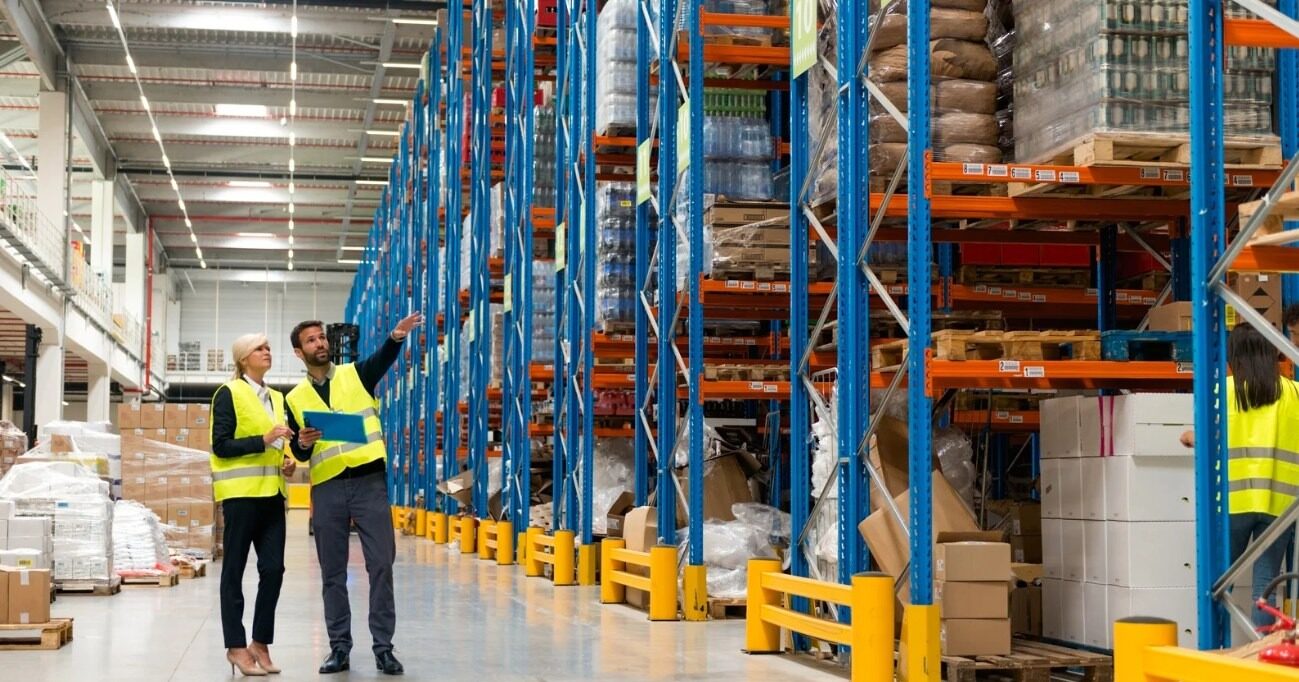
Many back rooms have no loading dock. Freight arriving on a 53-foot trailer then needs a tailgate truck or manual unloading. A warehouse with proper receiving removes that bottleneck.

Winter Road Delays

Highway closures and storms happen. Keep buffer stock on fast movers from November through March. Check provincial road reports before promising tight delivery dates.

Flexible Terms

MC Dispatch warehousing operates with no contracts. You can store product for 5 days or 5 months and adjust storage requirements as your needs change. That makes a pilot at the 5–8 score level low-risk.

30-Day Transition Timeline: Back Room to 3PL Warehouse

This original timeline suits most small to mid-sized inventories.

Week 1 (Days 1–7): Audit

  1. Score your business with the Back Room Breakpoint Score.
  2. Do a full physical count and flag dead stock.
  3. Pull three months of order data: order count, units per order, delivery destinations.

Week 2 (Days 8–14): Quote and Compare

  1. Request quotes. Include your SKU count, pallet and carton counts, monthly receipts, order volume, and delivery zones.
  2. Run the monthly comparison formula.
  3. Confirm liability coverage, access hours, and how inventory is reported.

Week 3 (Days 15–21): Prepare the Handoff Packet

  1. Build a SKU sheet with descriptions, dimensions, weights, and a photo of each item.
  2. Add handling notes such as fragile, keep from freezing, or this side up.
  3. List the people authorized to release stock and how releases are requested.
  4. List regular delivery addresses and receiving hours.

Week 4 (Days 22–30): Move in Phases

  1. Move slow movers and overflow first.
  2. Reconcile the warehouse receiving report against your packing list within 48 hours.
  3. Move fast movers last, keeping one to two weeks of stock on-site if needed.
  4. Go live on outbound orders and review accuracy after two weeks.

Ready to plan your move? Request a warehousing quote from MC Dispatch with your SKU count and monthly volume. You’ll get a comparison you can put straight into the formula above.

Common Mistakes

  • Moving dead stock. Clear obsolete inventory before transport so you don’t pay to store it.
  • Comparing only rent against the storage fee. Labour and losses are often the highest in-house costs.
  • Skipping a written release process. Without named authorized contacts, stock can leave without approval.
  • Not reconciling the first receipt. Count discrepancies are easiest to resolve in the first 48 hours.
  • Moving everything at once during peak season. Phase the move during a slower period if possible.
  • Forgetting to flag freeze-sensitive items. Handling notes must travel with the SKU sheet.
  • Signing a bigger lease before testing outsourced storage. A no-contract pilot costs far less than an unused lease.

What To Do If Something Goes Wrong

Count Discrepancy After Receiving

Compare your packing list line by line against the receiving report. Request a recount of the specific SKUs in question, and share photos of labels to rule out look-alike products.

Damaged Goods

Photograph the damage and keep the packaging. Report it the same day and review the declared value terms you agreed to.

Late or Missed Delivery

Request tracking details and proof of delivery. Confirm the address and receiving hours on file. If weather caused the delay, update your customer with a revised window.

Wrong Item Shipped

Check whether two SKUs look alike. Add photos and clearer descriptions to your SKU sheet.

Unexpected Stockout

Review your reorder points. Add the supplier-to-warehouse lead time you may not have tracked when stock came straight to your door.

Frequently Asked Questions

What is a 3PL warehouse?

A 3PL (third-party logistics) warehouse stores your inventory and handles receiving, storage, and outbound shipping for you. Instead of managing stock in your own space with your own staff, you send product to the provider and request releases or deliveries as orders come in.

How do I know if my business is too small for a 3PL warehouse?

Businesses with even a handful of pallets can benefit if storage is eating into working space or staff time. Score your business on the seven signs in this guide. A total of 5 or more usually justifies at least a pilot.

How much does 3PL warehousing cost in Alberta?

Costs depend on how much space you use, how often product is handled, and where it’s delivered. Most quotes combine storage, handling, and delivery charges. Compare a quote against your full in-house cost, including labour and losses, not just rent.

Do I need to sign a long-term contract to use a 3PL?

Some providers require minimum terms, so confirm before committing. MC Dispatch warehousing has no contracts, so you can store product for days or months and adjust storage needs as your business changes.

How long does it take to switch from in-house storage to a 3PL?

Most small to mid-sized inventories can move in about 30 days with a phased approach. Allow one week each for auditing, quoting, preparing documentation, and moving stock.

Can a warehouse in Edmonton serve customers in Calgary?

Yes, if the provider runs regular service between the two cities. MC Dispatch runs Calgary to Edmonton and back every day and operates daily runs to other Alberta communities.

What should I send a new warehouse before moving my inventory?

Send a SKU sheet with descriptions, dimensions, weights, and photos, plus handling notes for fragile or freeze-sensitive items. Include a list of authorized contacts, your release process, and regular delivery addresses.

Conclusion

Outgrowing the back room is a sign of growth, but it gets expensive if you ignore it. Score your business against the seven signs and run a full cost comparison, not a rent-only one. Then move in phases so you don’t disrupt your customers. For Alberta businesses, choose a warehouse partner that can handle winter conditions, the Edmonton–Calgary corridor, and deliveries across the province.

MC Dispatch offers no-contract warehousing with daily delivery runs across Alberta. You can store as little as one pallet and adjust as your business changes. Contact MC Dispatch or call (780) 483-4611 in Edmonton or (403) 300-0940 in Calgary for a quote.

READ MORE
What Cross-Docking Is and Why Alberta E-Commerce Brands Are Switching From Self-Fulfillment
BlogLogistics
September 21, 2026

What Cross-Docking Is and Why Alberta E-Commerce Brands Are Switching From Self-Fulfillment

If you sell online and you’re currently packing orders out of a spare room, garage, or a self-storage unit, you’ve probably hit the point where fulfillment is eating more time than it’s worth. This guide explains what cross-docking actually is, how it differs from traditional warehousing and self-fulfillment, and why it’s become a practical option for Alberta e-commerce brands that have outgrown DIY shipping. By the end, you’ll know whether cross-docking fits your order volume, and what questions to ask before switching.

Quick Summary

  • Cross-docking moves inventory from inbound trucks to outbound trucks with little or no long-term storage in between.
  • It’s built for speed and volume, not for warehousing goods for months at a time.
  • Alberta e-commerce brands switch from self-fulfillment when packing, storage, and courier drop-offs start competing with time spent on sales and product.
  • A cross-dock model can cut the number of manual touchpoints between a supplier and your customer’s door.
  • It works best for brands with predictable inbound shipments and consistent outbound delivery zones, like Edmonton and Calgary.
  • It’s not a fit for every product type — very low-volume or highly seasonal SKUs may still be cheaper to store traditionally.
  • Choosing the right partner matters more than the concept itself; local pickup windows, dock capacity, and delivery radius all affect real-world results.

What Cross-Docking Actually Means

What Cross-Docking Is and Why Alberta E-Commerce Brands Are Switching From Self-Fulfillment

Cross-docking is a logistics process where inbound goods are received at a facility, sorted, and loaded onto outbound vehicles within a short window — often the same day — instead of being shelved and stored. The freight essentially crosses the dock rather than sitting in it.

In a traditional warehouse model, product arrives, gets logged, placed on a shelf or rack, and stays there until an order triggers a pick-and-pack process. Cross-docking skips or shortens that storage step. Pallets or cases come off one truck, get sorted by destination, and go straight onto another truck or delivery vehicle.

For e-commerce specifically, this usually looks like a supplier or manufacturer shipping product to a cross-dock facility, where it’s broken down into smaller shipments and routed out to local customers, retail partners, or last-mile couriers.

Cross-Docking vs. Traditional Warehousing vs. Self-Fulfillment

FactorSelf-FulfillmentTraditional WarehousingCross-Docking
Storage timeOngoing, until soldWeeks to monthsHours to a few days
Who handles laborYou or your staffWarehouse staffWarehouse/courier staff
Space neededYour own spaceDedicated rackingMinimal — sort and go
Best forVery low order volumeSeasonal or bulk stockFast-moving, predictable freight
Delivery speedDepends on your scheduleDepends on pick timeSame-day to next-day possible
Cost driverYour time and mistakesStorage feesHandling and transport fees

Why Self-Fulfillment Stops Working as Orders Grow

Most Alberta e-commerce brands start with self-fulfillment because it’s the only option at low volume. It works fine when you’re shipping a handful of orders a week. The problems show up predictably as volume climbs.

  • Packing and labelling start taking hours instead of minutes, cutting into time that should go toward product or marketing.
  • Courier drop-off windows conflict with other parts of running the business.
  • Storage space at home or in a small unit runs out faster than expected.
  • Shipping errors — wrong item, wrong address, missed pickup — increase with volume and fatigue.
  • Peak periods (holiday sales, promotions) create backlogs that are hard to recover from without extra hands.

None of this means self-fulfillment was a bad choice early on. It’s usually the right call until a business crosses a volume threshold where the labour cost of doing it yourself exceeds the cost of handing it to a courier and warehousing partner.

If fulfillment is already competing with your workday, it may be time to compare a warehousing and cross-dock setup against what you’re doing now.

An Original Framework for Deciding: The Three-Signal Check

Before moving to cross-docking, it helps to look for three signals together rather than any single one in isolation. This isn’t a formula MC Dispatch claims to follow internally — it’s a practical way for a brand owner to self-assess.

  1. Volume signal: Are you shipping enough orders per week that packing takes up a meaningful block of a workday, consistently, not just during a sale?
  2. Predictability signal: Do your inbound shipments (from a manufacturer, wholesaler, or your own bulk orders) arrive on a semi-regular schedule, rather than as one-off drops?
  3. Geography signal: Are most of your customers concentrated in a region — such as Edmonton, Calgary, and the corridor between them — where a local courier network can realistically cover next-day or same-day delivery?

If two or more of these are true, cross-docking is usually worth pricing out. If only one is true, a hybrid approach — self-fulfilling slow-moving items while cross-docking your top sellers — is often more cost-effective than an all-or-nothing switch.

How a Cross-Dock Fulfillment Workflow Typically Runs

The exact steps vary by provider, but a general cross-dock flow for an e-commerce brand looks like this:

  1. Inbound arrival — Product arrives at the cross-dock facility from a manufacturer, supplier, or the brand’s own restock shipment.
  2. Receiving and verification — Staff check quantities and condition against the packing slip or purchase order.
  3. Sorting by destination — Product is grouped by delivery zone, order, or retail destination rather than shelved.
  4. Staging for outbound — Sorted freight is staged near the outbound dock, typically for same-day or next-day movement.
  5. Loading and dispatch — Product is loaded onto delivery vehicles and routed out, often alongside other same-day or scheduled deliveries.
  6. Proof of delivery — Confirmation, and in many cases photos, are logged once the delivery reaches the end customer.

This is a general industry sequence, not a guaranteed step-by-step of any specific provider’s internal process — actual handling times and steps depend on the facility and freight type.

Realistic Constraints to Plan Around

Cross-docking is efficient, but it isn’t unlimited. A few practical constraints matter when evaluating whether it fits your business:

  • Inbound timing matters. If your supplier shipments arrive erratically, the “cross” part of cross-docking becomes harder to schedule tightly, and product may need short-term hold space.
  • Dock and vehicle capacity is finite. A facility handling one pallet a week and a facility handling fifty pallets a week need different scheduling, and providers will have practical limits on same-day turnaround during peak periods.
  • Not every SKU benefits. Fragile, oversized, or highly irregular items may still need traditional storage and careful handling rather than a fast cross-dock turn.
  • Weather and road conditions in Alberta can affect same-day promises, particularly for routes outside the Edmonton–Calgary corridor during winter months.
  • Returns and exceptions still need a process. Cross-docking speeds up outbound flow, but damaged goods, refused deliveries, and returns typically require a separate handling step, not a cross-dock turn.

Local Considerations for Alberta E-Commerce Brands

Alberta’s geography and population layout shape how well cross-docking works in practice.

  • The Edmonton–Calgary corridor carries a large share of daily freight and courier traffic in the province, which makes same-day and next-day cross-dock turnarounds more realistic for brands based in or shipping between these two cities.
  • Secondary centres — places like Red Deer, Lethbridge, Medicine Hat, Grande Prairie, and Fort McMurray — are reachable, but delivery windows are typically longer and less flexible than intra-city routes.
  • Winter weather is a real operational factor from November through March. Brands that rely on tight same-day promises should build in a buffer during storm days.
  • Provincial daily runs matter for brands with customers spread across Alberta rather than concentrated in one city — a provider running scheduled province-wide routes can extend cross-dock benefits beyond the two major metros.

A Simple Switch-Over Checklist

Moving from self-fulfillment to a cross-dock model doesn’t have to happen all at once. This checklist reflects a general order of operations a brand can use — not a guarantee of timelines from any specific provider.

  1. Pull the last 60–90 days of order data to confirm actual volume and delivery zones.
  2. Identify your top 10–20 SKUs by order frequency — these are usually the best candidates to move first.
  3. Confirm your supplier or manufacturer can ship directly to a fulfillment partner’s dock.
  4. Get a rate comparison between your current shipping cost per order and a courier/cross-dock quote.
  5. Ask about proof-of-delivery, tracking, and how exceptions (damaged, refused, undeliverable) are handled.
  6. Run a short trial period with a portion of your SKUs before moving everything.
  7. Set a review date (30–60 days) to compare cost, speed, and error rate against your old self-fulfillment numbers.

Ready to see actual numbers instead of estimates? Request a quote and compare it against your current cost per shipped order.

Common Mistakes When Switching to Cross-Docking

  • Switching everything at once. Moving your entire catalogue on day one makes it hard to isolate problems if something goes wrong.
  • Not confirming inbound scheduling with your supplier. If your supplier can’t commit to a predictable shipping cadence, cross-docking loses much of its speed advantage.
  • Ignoring return volume. High-return categories (apparel, for example) need a clear returns process, not just a fast outbound flow.
  • Comparing only sticker price, not total cost. Self-fulfillment “looks” cheaper on paper until your own time, packaging errors, and missed sales are factored in.
  • Assuming same-day is guaranteed everywhere. Same-day and next-day windows are realistic within core delivery zones but shouldn’t be promised to customers in outlying areas without confirming it first.

What to Do If Something Goes Wrong

Even a well-run cross-dock process will occasionally hit a snag — a late inbound shipment, a mislabeled pallet, or a delivery exception. When it happens:

  1. Get proof-of-delivery and tracking details first. Most cross-dock and courier partners log timestamps and photos, which narrows down where the breakdown happened.
  2. Confirm whether the issue is inbound (supplier side) or outbound (delivery side). This determines who needs to fix the process going forward.
  3. Ask for a written explanation, not just a verbal one. A pattern of unexplained delays is a signal to revisit your SLA or provider.
  4. Escalate directly rather than waiting. A quick call to your account contact is usually faster than an email thread.
  5. Review the exception with your provider after resolution. A short debrief after a mistake is how the process actually improves over time.

If problems are recurring rather than one-off, it’s worth a direct conversation with your provider about capacity limits and whether your volume has outgrown the current setup. Contact MC Dispatch directly if you want to walk through a specific delivery issue.

Is Cross-Docking Right for Your Brand Right Now?

Cross-docking isn’t a universal upgrade — it’s a fit for brands with enough consistent volume and predictable inbound freight to make same-day sorting worthwhile. According to Statistics Canada’s most recent retail trade data, e-commerce sales in Canada continue to represent a meaningful and growing share of overall retail activity, which means the operational pressure on small and mid-sized online sellers to fulfill faster isn’t going away.

If you’re spending more hours packing boxes than growing your store, or your supplier shipments are becoming harder to manage in a spare room, it’s a reasonable time to price out a cross-dock and courier setup against what self-fulfillment is actually costing you — in dollars and in hours.

For brands specifically selling online and shipping to customers directly, it’s also worth looking at e-commerce fulfillment services built around last-mile delivery, alongside the cross-dock and warehousing side of the operation, rather than treating storage and delivery as two separate problems.

FAQ

What is cross-docking in simple terms? Cross-docking is a logistics process where goods arrive at a facility and are sorted and shipped back out quickly, usually within the same day, instead of being placed in long-term storage. It reduces handling time between a supplier and the end customer.

How is cross-docking different from warehousing? Warehousing involves storing inventory for an extended period, from weeks to months, until it’s needed. Cross-docking minimizes or eliminates that storage step, moving freight from inbound to outbound as quickly as possible.

Is cross-docking cheaper than self-fulfillment? It depends on order volume. At low volume, self-fulfillment can be cheaper on paper. As order volume grows, the labour time, error rate, and storage limits of self-fulfillment often make cross-docking and courier partnerships more cost-effective per order.

What types of products work best with cross-docking? Products with steady, predictable demand and standard packaging — like consumer goods, apparel, and general retail items — tend to work best. Highly fragile, irregular, or extremely low-volume items may still be better suited to traditional storage.

Can cross-docking guarantee same-day delivery in Alberta? Same-day or next-day delivery is realistic within core zones like the Edmonton–Calgary corridor, but it’s not guaranteed for every location, especially during winter weather or for more remote parts of the province.

Do I need a large order volume to benefit from cross-docking? There’s no fixed minimum, but the benefits scale with volume. Brands shipping a small handful of orders a week may not see much advantage, while those shipping dozens or more per week typically see the biggest time and cost savings.

What happens to returns in a cross-dock model? Returns are generally handled as a separate process from the outbound cross-dock flow, since a returned item needs inspection before it can be restocked or reshipped. It’s worth confirming how a provider handles returns before switching.

How do I know if my business is ready to switch from self-fulfillment? A useful check is whether packing and shipping are consistently eating into time better spent on product or sales, whether your inbound shipments arrive on a predictable schedule, and whether most of your customers are concentrated in a region a courier network can cover efficiently.

Conclusion

Cross-docking isn’t a trend — it’s a practical response to what happens when order volume outpaces what one person can pack and ship alone. It works best for Alberta e-commerce brands with steady inbound freight, a concentrated delivery zone, and enough order volume that packing time is cutting into growth. Self-fulfillment isn’t wrong at low volume, but it has a ceiling, and the switch-over checklist, three-signal check, and constraints covered above should give you a clear, honest way to tell whether you’ve hit it. The next step is simple: compare your actual numbers against a real quote before deciding either way.

If self-fulfillment is starting to slow your business down more than it’s saving you money, it’s worth getting real numbers instead of guessing. Get a quote from MC Dispatch or reach out directly to talk through what a cross-dock and delivery setup would look like for your order volume.

READ MORE
When a Job Site Goes Idle: How Hot Shot Trucking Keeps Alberta Construction and Oilfield Sites Running
BlogLogistics
August 30, 2026

When a Job Site Goes Idle: How Hot Shot Trucking Keeps Alberta Construction and Oilfield Sites Running

If a crew is standing around waiting on a part, a tool, or a piece of equipment right now, every hour costs money whether the site is a residential build in Calgary or a drilling operation near Grande Prairie. This article explains what hot shot trucking actually is, when it makes sense versus standard freight, and how to build a process that keeps it from becoming your default fallback. You’ll get a practical framework for deciding when to call for hot shot service, a checklist for what to have ready before the truck arrives, and guidance on what to do when a delivery still runs into trouble.

Quick Summary

  • Hot shot trucking is expedited, point-to-point delivery for a single load, used when standard freight scheduling is too slow to prevent job site downtime.
  • Alberta’s construction and oilfield sites lose money every hour a crew is idle, which makes the cost of hot shot service look small by comparison.
  • Hot shot service works best for one urgent, well-defined load, not for routine, predictable restocking.
  • Realistic constraints include vehicle size limits, loading equipment at pickup and drop-off, and weather-driven delays on highway routes.
  • A clear internal escalation process prevents hot shot requests from becoming an expensive habit for problems that better planning could solve.
  • Common mistakes include waiting too long to call, not confirming load specs upfront, and treating every delay as a hot shot emergency.
  • MC Dispatch offers Hot Shot, Flat Deck, and 5-Ton services across the Calgary-Edmonton corridor and into northern Alberta.

What Hot Shot Trucking Actually Means

Hot shot trucking is a delivery model built around one priority: get a specific load from point A to point B as fast as possible, without waiting for a truck to fill up with other freight first. Unlike standard LTL (less-than-truckload) freight, which consolidates multiple shipments and runs on a set schedule, a hot shot run is dedicated to your load alone.

This makes it a fundamentally different tool than routine freight. Standard freight is built for cost efficiency on predictable, non-urgent shipments. Hot shot service is built for speed when a delay has a real, measurable cost, such as a stalled crew or a piece of equipment sitting idle waiting on a single part.

Why This Matters on Alberta Job Sites

Construction and oilfield operations run on tight sequencing. A concrete pour can’t happen without the right fittings. A rig can’t resume operation without a replacement part. When that part is two hours away instead of on-site, the cost isn’t just the part; it’s every person and every piece of equipment standing idle waiting for it.

Alberta’s industrial geography adds to the problem. Sites are often spread across long distances, from the Edmonton-Calgary corridor out to Fort McMurray, Grande Prairie, and other resource regions. A supplier having the right part doesn’t help if getting it to the site takes a day and a half through standard shipping channels.

Hot Shot vs. Standard Freight vs. Same-Day Courier

FactorStandard LTL FreightSame-Day CourierHot Shot Trucking
Load typeMultiple shipments consolidatedSmall to mid-size parcelsOne dedicated load
SpeedScheduled, often 1-5 business daysHours, same business dayAs fast as direct transport allows
Best forPredictable, non-urgent restockingDocuments, small parts, parcelsOversized, heavy, or single urgent loads
Vehicle typeTrailer sharing multiple ordersCar, van, or small truck1-ton pickup, 5-ton truck, or flat deck
Cost structureLower per unit, shared truck costModerate, based on distance and speedHigher per load, dedicated truck cost
Typical use caseWeekly supply restockUrgent document or small parts runBroken part halting a crew or rig

An Original Framework: The Idle-Cost Trigger

Deciding when a delay justifies hot shot service isn’t always obvious in the moment. A useful way to think about it is what we’ll call the Idle-Cost Trigger: comparing the cost of the delay against the cost of expedited delivery, in three steps.

Step one: Estimate the idle cost per hour. Add up crew wages, equipment rental or lease costs, and any contractual penalties tied to the delay. On most Alberta construction and oilfield sites, this number is higher than site supervisors initially assume once equipment and downstream scheduling impacts are included.

Step two: Estimate the delay if you wait for standard freight or a supplier’s regular delivery schedule. If the part or tool won’t arrive for several hours or into the next day, multiply that gap by your idle cost per hour.

Step three: Compare that number to the cost of a hot shot delivery. In most cases, if the idle cost of even two or three hours exceeds the cost of expedited transport, the hot shot call is the financially sound decision, not an indulgence.

This is a way of organizing the decision under pressure, not a formal industry benchmark. Sites that build this kind of quick mental math into their process tend to make faster, more consistent calls on when to escalate.

A Checklist for What to Have Ready Before You Call

A hot shot delivery moves faster when the person calling has the right details ready. Before you call, confirm:

  • The exact part, tool, or equipment needed, including model number or spec sheet if available.
  • The pickup location and whether the supplier has the item in stock and ready to go.
  • The weight and dimensions of the load, especially for anything requiring a flat deck or oversized handling.
  • Whether the pickup or drop-off site has loading equipment available, such as a forklift or crane, or whether the driver needs to handle loading manually.
  • The exact drop-off location, including site access instructions and a contact person on-site.
  • A realistic window for when the crew actually needs the item, not just when it would be nice to have it.

A Step-by-Step Timeline for a Hot Shot Request

Step 1: Confirm the need is real and urgent. Run it through the Idle-Cost Trigger above. If the delay is genuinely costing more than the hot shot fee, move to the next step.

Step 2: Gather load details. Use the checklist above so the dispatcher can match the right vehicle and driver to the job without a second call for missing information.

Step 3: Call or book the request. Provide pickup and drop-off details, load specs, and your required delivery window.

Step 4: Confirm pickup readiness. Make sure the supplier or warehouse has the item staged and ready when the driver arrives, since a delay at pickup erases the time advantage of hot shot service.

Step 5: Track the delivery. Stay in contact with dispatch for updates, particularly if the route involves highway travel through areas prone to weather delays.

Step 6: Confirm receipt on-site. Have the site contact confirm the delivery arrived and matches what was ordered before the driver leaves, to avoid a second urgent call for the wrong part.

Realistic Service Constraints to Plan Around

Hot shot service solves a real problem, but it has limits worth understanding before an emergency hits:

  • Vehicle size and load limits matter. A Hot Shot run typically uses smaller, faster vehicles than a full freight truck. For oversized or extremely heavy loads, a flat deck or 5-ton vehicle may be the better fit, and confirming this upfront avoids a wasted trip.
  • Loading equipment isn’t guaranteed on-site. If a pickup or drop-off location doesn’t have a forklift or crane available, that needs to be flagged in advance so the right equipment or manual handling plan is in place.
  • Weather affects highway routes. Alberta winters can slow or close key routes, including stretches like Highway 63 toward Fort McMurray. Build extra time into urgent requests during snow or wildfire season, and ask your provider about contingency options if a route is closed.
  • Commercial carriers operate under regulatory requirements. According to the Government of Alberta’s vehicle standards guidelines, trucks with a licensed mass of more than 4,500 kg must secure cargo in accordance with National Safety Code Standard 10, and carriers are required to have an effective maintenance and inspection program. This affects how quickly a load can be prepared and secured, particularly for oversized or irregular freight.

Common Mistakes Sites Make With Hot Shot Requests

  • Waiting too long to call. Hesitating to escalate because a delay “might resolve itself” often costs more in idle crew time than the hot shot fee would have.
  • Not confirming pickup readiness. Booking a hot shot run before the supplier has the item staged wastes the speed advantage.
  • Skipping load specs. Failing to confirm weight, dimensions, or loading equipment needs can mean the wrong vehicle shows up.
  • Treating every delay as an emergency. Using hot shot service for predictable, plannable restocking drives up costs without solving a real bottleneck. Save it for genuine, unplanned urgency.
  • No on-site contact. Sending a driver to a large or unfamiliar site without a named contact and access instructions adds delay at the point that matters most.
  • Not tracking the delivery. Assuming a hot shot run will simply show up without checking in removes the chance to react if weather or a route issue causes a delay.

What to Do If Something Goes Wrong

If the load is delayed by weather or a road closure: Contact dispatch directly for an updated route and arrival estimate rather than waiting passively. A provider with real-time tracking should be able to tell you exactly where the load is and what the contingency plan is.

If the pickup location doesn’t have the item ready: Have your on-site contact confirm directly with the supplier before the driver arrives, and communicate any delay immediately to dispatch so the pickup window can be adjusted.

If the wrong part or equipment shows up: Confirm the error at the point of delivery rather than after the driver has left, and coordinate with dispatch on whether a second urgent run is needed.

If loading equipment isn’t available at drop-off: Flag this to dispatch as early as possible. Some providers can arrange alternate equipment or handling; others may need advance notice to bring the right vehicle or tools.

If the cost of repeated hot shot requests is adding up: Review your site’s ordering and inventory process. Frequent hot shot calls for the same type of part often point to a planning gap that’s cheaper to fix upstream than to keep solving with expedited delivery.

Where MC Dispatch Fits In

MC Dispatch has served Alberta’s construction, oilfield, and industrial sectors for over 50 years, offering Hot Shot service for urgent, single-load deliveries across the province. For oversized or heavy equipment moves, flat deck services with tarping are available for loads that a standard vehicle can’t handle, and the 5-ton fleet covers palletized or bulk loads that fall between a hot shot run and a full freight trailer.

Daily province-wide runs connect Calgary, Edmonton, and surrounding industrial areas, and larger inbound freight can move through 53′ trailer and dry LTL service when a full load, rather than a single urgent part, needs to reach the site.

Have a job site facing downtime right now? Request a quote for a hot shot delivery, or check current pricing to plan for your next urgent run.

Frequently Asked Questions

What is hot shot trucking? Hot shot trucking is expedited, point-to-point delivery for a single dedicated load, used when a shipment needs to move faster than standard consolidated freight allows. It typically uses smaller trucks like 1-ton pickups or 5-ton vehicles rather than full freight trailers.

How is hot shot trucking different from same-day courier service? Same-day courier service generally handles smaller parcels, documents, and parts, while hot shot trucking is built for larger, heavier, or oversized single loads that need dedicated transport. The right choice depends on the size and weight of what needs to move.

When should a construction or oilfield site call for hot shot service? It makes sense when a delay is actively costing money through idle crew time, stalled equipment, or missed scheduling windows, and standard freight or supplier delivery would take too long. Comparing the cost of the delay to the cost of expedited delivery helps make that call quickly.

Can hot shot trucking handle oversized or heavy equipment? It depends on the load. Standard hot shot vehicles handle small to mid-size urgent loads, while oversized or very heavy equipment typically requires a flat deck or 5-ton vehicle instead. Confirming load weight and dimensions upfront ensures the right vehicle is dispatched.

Does weather affect hot shot delivery times in Alberta? Yes, winter weather and route closures can slow or delay highway routes, particularly on routes to northern Alberta. Providers with real-time tracking and dispatch communication can usually offer updated arrival estimates and contingency options during weather events.

What information should I have ready before calling for hot shot service? Have the exact part or equipment needed, its weight and dimensions, pickup location and stock availability, drop-off site access details, and a required delivery window. Having this ready before the call speeds up dispatch and reduces the chance of a mismatched vehicle.

Is hot shot trucking regulated the same way as standard freight? Commercial vehicles used for hot shot trucking are subject to the same provincial safety requirements as other commercial freight, including cargo securement and maintenance standards under Alberta’s National Safety Code. This affects vehicle readiness and load preparation time.

How often should a site rely on hot shot delivery? Hot shot service works best as a response to genuine, unplanned urgency rather than a routine restocking method. If the same type of request comes up repeatedly, it’s often a sign that inventory planning, not delivery speed, is the underlying issue.

Conclusion

Job site downtime is rarely caused by one single failure. It’s usually the gap between when a part or piece of equipment is needed and when standard shipping channels can actually deliver it. Hot shot trucking closes that gap for genuine, unplanned emergencies, but it works best as one tool within a broader plan, not a substitute for realistic inventory and scheduling practices.

Sites that get the most value from hot shot service tend to do three things consistently: they know their idle cost per hour well enough to make a fast decision, they have load details ready before they call, and they reserve the service for situations where the cost of waiting genuinely outweighs the cost of expediting. Alberta’s spread-out construction and oilfield geography, combined with seasonal weather risk, makes that kind of planning even more valuable, since a routine delay in a major city can turn into a much longer one on a route to a remote site.

Building a simple internal process now, before the next urgent call comes in, is what separates sites that handle downtime efficiently from ones that treat every delay as a crisis.

A stalled crew or an idle rig doesn’t wait for a convenient time to happen, and neither should your delivery option. Contact MC Dispatch to set up a hot shot request or talk through what service level fits your site’s typical needs. Getting a plan in place before the next delay hits saves time when it matters most.

READ MORE
Learn the essential protocols for white-glove logistics in Alberta. This guide covers fragile equipment shipping in Edmonton and Calgary, focusing on medical, IT, and industrial high-tech transport for 2026.
Courier ServicesLogistics
June 1, 2026

White-Glove Logistics Alberta: Best Practices for High-Tech & Fragile Equipment

Managing the transport of high-value, sensitive assets in Alberta requires more than a standard courier service. Whether you are an IT Director overseeing a server rack relocation in Calgary or a medical lab manager in Edmonton awaiting calibrated diagnostic machinery, the objective remains the same: zero-damage delivery with precision installation. This long-form guide provides a technical roadmap for white-glove logistics in Alberta, addressing the specific geographical and climatic challenges of the Edmonton-Calgary corridor. If your goal is to minimize downtime, ensure regulatory compliance, and protect invaluable equipment from the rigours of transit, the following best practices will define your logistical success.

Quick Summary of White-Glove Logistics

  • Beyond Curbside: White-glove service includes inside delivery, room-specific placement, and debris removal.
  • Climate Sensitivity: Specialized thermal management is required to prevent condensation during Alberta’s extreme temperature swings.
  • Chain of Custody: High-tech assets require documented hand-offs and real-time GPS tracking.
  • Specialized Fleet: Utilization of air-ride suspension and lift-gate-equipped vehicles is non-negotiable for fragile cargo.
  • Technical Setup: Some services include basic assembly or positioning of equipment to manufacturer specifications.
  • Risk Mitigation: Comprehensive insurance and pre-transit site surveys are essential for high-value items.

Defining White-Glove Logistics in the 2026 Alberta Market

In 2026, the definition of white-glove logistics has evolved from simple “careful handling” to a tech-integrated, data-driven service. For businesses operating in Edmonton and Calgary, this means utilizing a comprehensive white-glove service overview that integrates with modern supply chain software.

White-glove service is specifically designed for items that cannot be handled by automated sorting systems or standard freight carriers. This includes items that are:

  1. Fragile: Prone to breakage from vibration or impact.
  2. Sensitive: Vulnerable to static, moisture, or temperature.
  3. Complex: Requiring specific orientation or assembly.
  4. Invaluable: High monetary or intellectual property value where loss is catastrophic.

The Alberta Advantage and Challenge

Logistics in Alberta presents unique variables. The distance between the major hubs of Edmonton and Calgary is roughly 300 kilometres of highway that can experience rapid weather shifts. High-tech medical courier services in Calgary must account for the chinook winds that cause sudden temperature spikes, while fragile equipment shipping in Edmonton must contend with prolonged sub-zero conditions that can embrittle plastics and damage sensitive liquid crystals in displays.

Strategic Handling Protocols for High-Tech & Medical Assets

Learn the essential protocols for white-glove logistics in Alberta. This guide covers fragile equipment shipping in Edmonton and Calgary, focusing on medical, IT, and industrial high-tech transport for 2026.

When dealing with specialized medical and pharmaceutical logistics, the stakes involve both financial value and patient safety. Laboratory equipment transport services must adhere to strict vibration-dampening standards to ensure that internal calibrations remain intact during the journey.

The Thermal Shock Prevention Framework

A critical consideration for Alberta logistics is the Thermal Shock Prevention Framework. This is a recommended industry process for moving sensitive electronics from extreme outdoor cold into climate-controlled office environments.

The Recommended Process:

  1. Staging: Equipment is held in a temperature-controlled vehicle at a midpoint temperature (e.g., +10°C) for a set duration.
  2. Vapour Barrier: Items remain sealed in specialized anti-static and moisture-wicking wraps until the internal temperature of the equipment reaches the ambient temperature of the room.
  3. Active Monitoring: Use of Bluetooth-enabled data loggers to track internal crate temperature during the transition from the loading dock to the final installation room.

Failure to follow a thermal transition process often leads to internal condensation, which can short-circuit high-end server components or contaminate optical sensors in medical imaging devices.

Technical Logistics Specifications by Equipment Category

The following table outlines the handling requirements for different classes of invaluable equipment commonly transported within the Alberta industrial and professional sectors.

Equipment CategoryPrimary Risk FactorRequired Handling FeatureRecommended Vehicle Type
IT/Server RacksVibration & StaticAnti-static wrapping; Air-ride suspension5-Ton with Lift-gate
Medical DiagnosticsCalibration ShiftCustom crating; Shock-watch sensorsClimate-controlled Van
Lab CentrifugesLiquid Spillage/BalanceLevel-loading; Secure strappingSprinter/Cargo Van
Industrial SensorsImpact/G-ForceDouble-walled padding; GPS trackingHot-shot Dedicated
Telecomm GearMoisture/DustVacuum-sealed packagingEnclosed Box Truck

For larger industrial high-tech needs, leveraging heavy equipment and 5-ton freight solutions ensures that the vehicle capacity matches the structural requirements of the crated assets.

The “Triple-Check” Protocol: An Original Logistics Framework

To ensure the highest level of security and precision, a Triple-Check Protocol is recommended for any high-value white-glove move. This framework focuses on three distinct phases of the delivery lifecycle.

1. The Physical Check (The Hardware Layer)

This involves verifying the integrity of the packaging, the functionality of the lift-gate, and the cleanliness of the vehicle interior. In white-glove logistics, the vehicle is an extension of the laboratory or data center. Any dust or debris in the truck can compromise sensitive electronics.

2. The Digital Check (The Data Layer)

The digital check confirms that the GPS tracking is active, the electronic proof of delivery (ePOD) system is synced, and any specialized temperature or shock sensors are calibrated and recording. This provides the “Perspective Layer” of data required for modern audit trails.

3. The Site Check (The Infrastructure Layer)

Before the equipment leaves the vehicle, the lead technician performs a site check. This includes measuring door widths, checking floor load capacities, and identifying potential obstacles like high-pile carpeting or narrow corridors in older buildings in downtown Edmonton or Calgary.

Local Considerations: Navigating Alberta’s Urban Cores

The “last mile” of white-glove delivery is often the most complex. In Calgary, navigating the +15 Skyway network or the tight loading bays of the Financial District requires specialized knowledge of local parking bylaws and building access hours.

In Edmonton, delivering high-tech equipment to the Ice District or the University of Alberta campus involves coordinating with multiple security tiers. It is essential to ensure that the specialized fleet and handling equipment chosen for the job can fit within the height clearances of underground parkades, which are often as low as 2.1 meters in newer commercial developments.

Step-by-Step White-Glove Delivery Timeline

For a successful high-tech relocation or delivery, follow this standardized timeline to ensure no technical details are overlooked.

  1. T-Minus 72 Hours: Pre-Site Survey
    • Confirm dimensions of all elevators and doorways.
    • Verify the availability of the loading dock at both origin and destination.
  2. T-Minus 24 Hours: Equipment Pre-Conditioning
    • If moving temperature-sensitive lab gear, ensure the climate-control system in the transport vehicle is pre-cooled or pre-heated.
  3. Day of Move: Loading & Securement
    • Apply shock-watch and tilt-sensors to the exterior of crates.
    • Secure items using E-track straps to prevent any lateral movement during transit.
  4. Transit: The Edmonton-Calgary Run
    • Maintain a steady speed; avoid sudden braking.
    • Monitor real-time sensor data via the dispatcher’s console.
  5. Arrival: Inside Placement
    • Uncrate the item in a designated “dirty zone” to prevent packing dust from entering the cleanroom or server hall.
    • Position equipment according to the floor plan provided by the client.
  6. Post-Delivery: Debris Removal & Documentation
    • Remove all cardboard, pallets, and foam from the site.
    • Obtain a digital signature confirming that the item was delivered without visible damage or sensor triggers.

Common Mistakes in Fragile Equipment Shipping

Even with the best intentions, certain recurring errors can jeopardize a white-glove move.

  • Ignoring the “Final 50 Feet”: Many logistics plans focus on the highway miles but fail to account for the stairs, ramps, or tight corners inside the delivery building.
  • Inadequate Labelling: Failing to mark “This Side Up” or “Fragile” clearly on all sides of the crating can lead to improper orientation by secondary handlers.
  • Using Standard Pallet Jacks on Sensitive Floors: High-tech facilities often have specialized flooring (like anti-static tiles or polished concrete). Using standard steel-wheeled pallet jacks can cause permanent damage.
  • Assuming Manufacturer Packaging is Sufficient: Original equipment manufacturer (OEM) boxes are designed for bulk shipping, not necessarily for individual high-touch white-glove delivery. Supplemental over-packing is often required.

Realistic Service Constraints

It is important to recognize that white-glove logistics has inherent limitations.

  • Weather Holds: In the event of extreme Alberta blizzards or “black ice” warnings on Highway 2, white-glove deliveries may be delayed. Protecting the cargo and the crew is the priority.
  • Assembly Limits: While white-glove includes placement and debris removal, it typically does not include “Technical Commissioning” (e.g., configuring software or performing medical calibrations), which must be done by the manufacturer’s technicians.
  • Weight Capacity: Inside delivery is limited by the weight capacity of the building’s elevators and floors. Always verify these limits before scheduling a 5-ton delivery.

What To Do If Something Goes Wrong

Despite the most rigorous sensitive electronics handling protocols, contingencies must be in place.

  1. Immediate Documentation: If a shock sensor is triggered or visible damage is noted on the crate, take high-resolution photos immediately—before the item is unboxed.
  2. Note Exceptions on the POD: Never sign a “Clean” proof of delivery if there is any suspicion of damage. Clearly state the nature of the concern on the electronic or paper document.
  3. Segregate the Asset: Do not attempt to power on or use equipment that may have suffered impact or moisture damage. Move it to a secure area for inspection by a qualified technician or insurance adjuster.
  4. Contact Dispatch: Notify the logistics provider within one hour of the delivery. Most high-value insurance policies have strict reporting windows.

For businesses shipping medical devices, adhering to Health Canada’s temperature control guidelines during the contingency phase is vital to maintaining the validity of the equipment warranty.

FAQ: White-Glove Logistics & Fragile Shipping

What is included in a standard white-glove delivery service? Standard white-glove service includes inside delivery to a specific room, uncrating or unpacking of the item, and the removal of all packaging debris. It often includes basic positioning of the equipment, but does not typically include complex technical setup or electrical wiring.

How does Alberta’s weather affect fragile equipment shipping? Extreme cold can cause components to become brittle, while rapid warming leads to condensation. Professional couriers use climate-controlled vehicles and thermal staging protocols to ensure that high-tech equipment remains within a safe temperature range during the transition from the vehicle to the office.

Do you provide white-glove services for medical laboratories in Edmonton? Yes, specialized medical courier services are designed to handle sensitive diagnostic equipment and laboratory gear. These services prioritize vibration-dampening and strict adherence to cleanliness standards to ensure laboratory environments are not contaminated during the delivery process.

Can you move server racks between Calgary and Edmonton? Yes, server rack relocation is a core component of high-tech logistics. Using air-ride 5-ton trucks ensures that delicate hard drives and circuit boards are protected from road vibration, while lift-gate services allow for safe loading and unloading without the need for a loading dock.

What insurance coverage is available for invaluable items? While standard carriers offer limited liability, white-glove providers offer enhanced cargo insurance specifically for high-value assets. It is recommended to disclose the full replacement value of the equipment during the quoting process to ensure adequate coverage is in place.

Are your drivers trained for inside delivery in downtown office towers? Drivers specializing in white-glove logistics are trained to navigate complex urban environments, including freight elevator protocols and security clearances. This expertise is essential for deliveries to high-density areas like Edmonton’s Ice District or Calgary’s commercial core.

What happens if the equipment doesn’t fit through the door upon arrival? A pre-site survey is recommended to prevent this issue. If equipment does not fit, the logistics team will secure the item in a climate-controlled warehouse while alternative access (such as window hoisting or door frame removal) is coordinated with the facility manager.

Conclusion

White-glove logistics in Alberta is a specialized discipline that bridges the gap between traditional trucking and high-tech facility management. By focusing on local climate considerations, utilizing structured frameworks like the Triple-Check Protocol, and ensuring a robust chain of custody, businesses in Edmonton and Calgary can protect their most invaluable assets. Precision in the “last mile” is what separates a standard delivery from a successful white-glove installation.

Ready to secure your high-value assets with Alberta’s premier courier experts? Contact MC Dispatch today for a detailed white-glove logistics quote tailored to your specific equipment needs. Let our team handle the complexities of the Edmonton-Calgary corridor so you can focus on your core business operations.

READ MORE
Discover how same-day delivery in Edmonton allows local retailers to outperform national big-box carriers. Learn about e-commerce fulfillment, last-mile delivery, and local courier services for 2026.
Logistics
June 1, 2026

Same-Day Delivery Edmonton: How Local Retailers Outpace Big-Box Logistics in 2026

Quick Summary of the Local Delivery Advantage

  • Elimination of Hub-and-Spoke Delays: Local couriers bypass regional sorting centers, moving goods directly from the store to the customer.
  • Reduced Delivery Miles: Point-to-point delivery minimizes the carbon footprint and physical handling of packages.
  • Real-Time Local Tracking: Advanced logistics software provides precise ETAs based on local traffic conditions like Anthony Henday construction.
  • Inventory Agility: Retailers can use their storefronts as micro-fulfillment centers, reducing the need for massive off-site warehouses.
  • Weather Resilience: Local drivers possess the specific experience required to navigate Edmonton winters without the delays common in national networks.
  • Cost Efficiency: Local courier rates for businesses often bypass the fuel surcharges and residential fees applied by national giants.

Local retailers in the Greater Edmonton Area face a specific logistical challenge: matching the delivery speeds of global e-commerce giants while maintaining sustainable margins. In 2026, consumer expectations have solidified around immediate gratification, making same-day delivery in Edmonton a standard requirement rather than a luxury. The goal for any local business owner is to convert online traffic into loyal customers by eliminating the three-to-five-day shipping wait time associated with national carriers. This blog provides a technical analysis of how local e-commerce logistics and on-demand delivery for retailers create a competitive advantage that big-box entities cannot replicate due to their centralized sorting structures.

The Zero-Sorting Protocol: A Framework for Local Speed

Traditional national carriers utilize a hub-and-spoke model. A package picked up in West Edmonton is often sent to a massive sorting facility, sometimes as far as Calgary or Richmond, before being routed back to an Edmonton neighbourhood for final delivery. This process adds a minimum of 24 to 48 hours to the delivery timeline.

A more efficient alternative for 2026 is the Zero-Sorting Protocol. This framework focuses on localized, decentralized movement.

The Three Pillars of Zero-Sorting

  1. Micro-Fulfillment Integration: The retailer’s physical location acts as the primary dispatch point. When an order is placed, it is packed on-site and made ready for immediate pickup.
  2. Point-to-Point Dispatch: The courier picks up the item and moves it directly to the delivery zone. There is no intermediate offloading or re-sorting.
  3. Dynamic Geofencing: Deliveries are grouped by neighbourhood clusters (e.g., Windermere, Griesbach, or Cloverdale) in real-time, allowing a single driver to complete multiple same-day drops within a tight radius.

By adopting E-Commerce Fulfillment & Local Integration, Edmonton businesses can ensure that an order placed at 10:00 AM is on a doorstep by 2:00 PM, a feat national carriers struggle to achieve without exorbitant express fees.

Comparison: Local Courier vs. National Carrier Performance

To understand why local courier services in Edmonton are superior for regional retail, one must look at the technical performance metrics.

MetricNational Big-Box CarrierLocal Courier Service (MC Dispatch)
Typical Transit Time2–5 Business Days2–4 Hours (Same-Day)
Handling Touchpoints6–8 (Hubs, Sortation, Vans)2 (Store to Van to Door)
Residential SurchargesFrequently AppliedFlat-Rate Local Zones
Tracking AccuracyDaily “Out for Delivery” StatusReal-Time GPS via Real-Time Tracking & Logistics Software
Winter Weather DelayHigh (National Network Ripple)Low (Local Route Adjustments)
Packaging RequirementsHeavy-Duty CorrugatedFlexible (Bags, Boxes, Envelopes)

Ready to transform your delivery speed? Get a customized quote for your Edmonton retail business today.

Local Geography and Last-Mile Delivery Challenges

Discover how same-day delivery in Edmonton allows local retailers to outperform national big-box carriers. Learn about e-commerce fulfillment, last-mile delivery, and local courier services for 2026.

Edmonton’s layout presents specific logistical variables that national algorithms often fail to calculate accurately. For instance, a delivery originating in the Acheson industrial area destined for Sherwood Park must traverse the Anthony Henday Drive. While AI-driven national maps see a highway, local logistics experts see potential bottlenecks at the Yellowhead interchange during peak afternoon hours.

Navigating High-Density Zones

For retailers located in the downtown core or near the Ice District, standard delivery trucks are often inefficient due to parking constraints and pedestrian traffic. This is where Professional Messenger Services for High-Density Areas become essential. Small-vehicle couriers and messengers can navigate narrow alleys and park closer to building entrances, shaving minutes off every stop.

The Winter Factor in Alberta Logistics

Last-mile delivery in Alberta is heavily impacted by the October-to-April winter cycle. National carriers often experience system-wide backups when a major snow event hits the Edmonton-Calgary corridor. Local providers, however, maintain a higher percentage of on-time deliveries because their fleet is equipped for local conditions and drivers are intimately familiar with the priority plowing routes in the city.

Step-by-Step Timeline: The 4-Hour Delivery Cycle

To achieve the speed necessary to beat big-box competitors, retailers should follow this optimized timeline for same-day logistics.

  1. 0–30 Minutes: Order Processing
    • Order is received via the e-commerce platform (Shopify, WooCommerce, etc.).
    • Warehouse or store staff pick and pack the item.
  2. 30–60 Minutes: Digital Dispatch
    • The delivery request is sent automatically to the courier via API integration.
    • The closest driver is assigned based on current proximity to the store location.
  3. 1 Hour – 1.5 Hours: Pickup & Scan
    • The courier arrives at the retail location.
    • The package is scanned, triggering an automated “Out for Delivery” notification to the customer.
  4. 1.5 Hours – 4 Hours: Transit & Drop-off
    • Driver follows a dynamically optimized route.
    • The package is delivered; photo proof or digital signature is recorded.
    • Customer receives a final delivery confirmation.

Utilizing Same-Day Courier Speed Advantages allows retailers to manage customer expectations through every step of this timeline.

Realistic Service Constraints and Logistics

While same-day delivery provides a significant advantage, it is governed by certain operational realities.

  • Order Cut-off Times: To guarantee same-day arrival, most retailers must establish a cut-off time (e.g., 1:00 PM). Orders placed after this time typically shift to the next business day’s first run.
  • Zone Limitations: Same-day rates are generally most effective within the Greater Edmonton Area. Deliveries to outlying areas like Fort Saskatchewan or Spruce Grove may involve different rate structures.
  • Package Weight and Volume: Small-package couriers are optimized for items under 50 lbs. Oversized or palletized items require different equipment, such as 5-ton trucks or flatbeds, which may affect the immediate availability of a driver.
  • Holiday Demand: Peak seasons like Black Friday or the week before Christmas increase the volume of local deliveries, requiring retailers to book scheduled runs in advance to guarantee capacity.

Common Mistakes in Local E-commerce Logistics

Retailers often stumble when transitioning from traditional shipping to on-demand delivery for retailers. Avoiding these errors is critical for maintaining professional standards.

  • Poor Packaging for Speed: Some businesses use excessive packaging that is difficult for a courier to handle quickly. Use right-sized, secure packaging that protects the item without adding unnecessary bulk.
  • Inaccurate Address Data: Entering a delivery address without a unit number or a buzzer code causes significant delays and may result in a failed delivery attempt fee.
  • Lack of Communication: Customers expect to know exactly when their package will arrive. Failing to provide a tracking link through logistics software leads to increased customer service inquiries.
  • Underestimating Fulfillment Time: A courier cannot deliver an item that hasn’t been packed. Ensure your internal team is staffed to meet the speed of the courier service.

What To Do If Something Goes Wrong

Logistics involves moving parts, and disruptions can occur. Clear communication is the number one factor in maintaining customer trust during a delay.

  1. Verify the Delay Cause: Check the tracking software to see if the delay is due to traffic, weather, or an incorrect address.
  2. Update the Customer Immediately: Do not wait for the customer to ask where their package is. Send an automated text or email with the new estimated delivery time.
  3. Contact Dispatch: If the package appears stalled, contact the courier’s dispatch team directly. Local providers offer direct phone support, which is often faster than the ticketing systems used by national carriers.
  4. Offer a Resolution: If a same-day delivery fails and becomes a next-day delivery, consider offering a small discount or a credit toward a future purchase to maintain the relationship.

The rise in e-commerce activity, as noted by StatCan, means that consumers have more choices than ever; a handled-well delivery error can actually build more loyalty than a perfect one.

Is your business ready for the 2026 shipping standards? Request a consultation to see how we can integrate with your e-commerce platform.

FAQ: Same-Day Delivery & Local Logistics in Edmonton

How does same-day delivery in Edmonton differ from national express shipping? National express shipping still relies on a hub-and-spoke model where packages are sorted at large regional facilities, often adding unnecessary travel miles. Local same-day delivery is point-to-point, meaning the item goes directly from your store or warehouse to the customer’s door within a few hours.

What is the best way to integrate delivery software with my online store? Most professional couriers provide API integrations for platforms like Shopify and WooCommerce. This allows delivery requests to be generated automatically the moment a customer completes a purchase, ensuring no time is lost between the sale and the dispatch of a driver.

Can local couriers handle fragile or high-value retail items? Yes, local couriers often provide higher levels of care than national carriers because packages are handled fewer times. Specialized services like messenger delivery or dedicated van runs ensure that fragile items remain secure and are not subjected to the rough handling common in automated sorting belts.

Are there weight or size limits for same-day retail deliveries? While most retail couriers focus on parcels and envelopes, providers with diverse fleets can handle larger items. It is important to specify if you are shipping small electronics or large home furnishings so that the correct vehicle, such as a 5-ton truck or a van with a lift-gate, is dispatched.

How do I calculate the ROI of offering same-day delivery? Calculate the ROI by comparing your increase in local conversion rates and repeat purchase frequency against the cost of the delivery service. Many retailers find that customers are willing to pay a premium for same-day speed, which can offset or even cover the entire cost of the courier service.

What areas are covered by Edmonton’s same-day delivery services? Typical coverage includes the city of Edmonton and surrounding municipalities such as St. Albert, Sherwood Park, Leduc, Beaumont, and Spruce Grove. Deliveries within this radius can usually be completed within a four-hour window, depending on the service level selected.

How does winter weather affect same-day delivery speeds in Alberta? While heavy snow can slow down all traffic, local couriers are better equipped to handle Edmonton’s winter roads than national carriers. Drivers adjust routes in real-time to avoid unplowed residential areas or major accidents, maintaining a higher level of reliability during the winter months.

Does local delivery help with my business’s sustainability goals? Yes. Local point-to-point delivery significantly reduces the total mileage a package travels by eliminating the need for national air or ground transport. This localized approach lowers the carbon footprint per order, which can be reported in your annual sustainability metrics.

How do I manage high-volume days like Black Friday with a local courier? Preparation is key. On high-volume days, we recommend utilizing Scheduled Delivery Services Alberta to reserve dedicated drivers in advance. This ensures your capacity is locked in, preventing the “backlog” that often occurs with national carriers during peak seasonal surges.

What is the benefit of API integration for a small Shopify store? API integration automates the communication between your store and the courier. It removes human error in address entry, provides your customers with real-time tracking links instantly, and allows for much faster dispatch times, which is essential for maintaining a four-hour delivery window.

Conclusion

Reducing shipping times for local shops is no longer just an operational goal; it is a survival strategy in the 2026 retail landscape. By leveraging local courier services in Edmonton and focusing on the Zero-Sorting Protocol, small and medium-sized businesses can offer delivery speeds that rival or exceed those of national big-box competitors. The proximity of your inventory to your customer is your greatest asset. When combined with specialized last-mile delivery in Alberta infrastructure, this proximity translates into higher conversion rates, lower shipping costs, and a dominant local market presence.

Streamline your delivery workflow and give your customers the speed they expect. Contact MC Dispatch today to set up your local same-day delivery account. Experience the difference that professional Edmonton-based logistics can make for your bottom line.

READ MORE
Eliminating Production Stalls: A Guide to Hot Shot Logistics for Edmonton’s Industrial Heartland
Courier ServicesLogistics
April 8, 2026

Eliminating Production Stalls: A Guide to Hot Shot Logistics for Edmonton’s Industrial Heartland

Quick Summary

  • The Problem: Production stalls in the petrochemical and manufacturing sectors can cost upwards of $50,000 per hour.
  • The Solution: Hot shot logistics offers non-stop, point-to-point delivery of mission-critical components.
  • Key Service Hubs: The primary corridor spans from the supply hubs in Nisku to the processing facilities in Fort Saskatchewan and Sturgeon County.
  • 24/7 Dispatch: Industrial recovery requires a logistics partner available around the clock, 365 days a year.
  • Versatile Fleet: Services range from small courier vehicles for instrumentation to 5-ton trucks for heavy assemblies.
  • Safety Compliance: Drivers must be familiar with site-specific protocols and PPE requirements for major Heartland facilities.
  • Tech Integration: Modern logistics in 2026 utilize real-time GPS tracking and automated proof-of-delivery to ensure transparency.

Maintaining the continuous flow of operations in Alberta’s Industrial Heartland is a high-stakes endeavor where every minute of downtime translates into thousands of dollars in lost revenue. For operations managers, maintenance coordinators, and logistics directors, the primary goal is simple: ensure that critical parts and equipment are where they need to be, exactly when they are needed. When a facility in Fort Saskatchewan or a manufacturing plant in Nisku experiences a mechanical failure, the search for a solution often begins with a need for immediate, reliable transportation. This guide is designed to help you navigate the complexities of hot shot logistics in Edmonton, providing a technical roadmap for eliminating production stalls and optimizing your supply chain for 2026 and beyond. If you are looking to secure a trusted partner for emergency freight delivery that understands the nuances of the Heartland region, this post provides the actionable insights you need to make an informed decision.

The High Stakes of Uptime in Alberta’s Industrial Heartland

Alberta’s Industrial Heartland represents the core of Canada’s hydrocarbon processing industry. Spanning 582 square kilometres across five municipalities, this region is home to world-scale refineries, ethylene crackers, and hydrogen production facilities. Because these processes are highly integrated—where the output of one facility is often the feedstock for another—a single stall at one plant can trigger a domino effect throughout the regional supply chain.

In this environment, “uptime” is the most critical metric. A production stall isn’t just a delay; it’s a financial hemorrhage. Whether it is a failed valve, a broken turbine blade, or a critical control board that has fried, the logistics of getting the replacement part to the site gate are often the bottleneck in the recovery process. Standard freight services, which rely on consolidation and hub-and-spoke models, are fundamentally incompatible with the needs of a facility in crisis. This is where point-to-point courier services become an essential utility for industrial operations.

What is Hot Shot Logistics in 2026?

As we move through 2026, the term “hot shot” has evolved. While it once referred simply to a driver with a pickup truck and a trailer, it now describes a sophisticated, data-driven segment of the logistics industry. In the modern Edmonton market, hot shot logistics is defined by three pillars: immediacy, exclusivity, and transparency.

  1. Immediacy: The response begins the moment the call is received. Dispatchers in 2026 use AI-enhanced routing to identify the closest available vehicle equipped for the specific payload.
  2. Exclusivity: A hot shot load is never co-mingled. Your cargo is the only priority for that driver, ensuring there are no diversions, no stops for other pickups, and no transloading at a warehouse.
  3. Transparency: Operations managers now expect real-time visibility. This includes GPS location data, estimated time of arrival (ETA) updates based on live traffic conditions on the Anthony Henday, and digital signatures at the point of delivery.

For many organizations, managing these moves requires a mix of small-scale agility and heavy freight and 5-ton shipping capabilities.

The Heartland Pulse Protocol: A Tiered Response Framework

To eliminate production stalls effectively, maintenance teams should adopt a standardized approach to logistics. We recommend a framework called the Heartland Pulse Protocol, which categorizes shipments based on the severity of the operational impact.

Tier 1: System-Critical (The “Red” Zone)

  • Condition: Total facility shutdown or imminent safety risk.
  • Logistics Action: Immediate dispatch of the nearest capable unit. Direct, non-stop transit with “hot-seat” driver availability.
  • Goal: Delivery within 60–90 minutes within the Edmonton-Heartland corridor.

Tier 2: Operational Impairment (The “Amber” Zone)

  • Condition: Reduced capacity or failure of redundant systems. The facility is running, but at risk.
  • Logistics Action: Same-day delivery with a dedicated vehicle. Priority loading.
  • Goal: Delivery within 3–4 hours.

Tier 3: Maintenance & Turnaround (The “Green” Zone)

  • Condition: Scheduled maintenance or planned facility turnarounds.
  • Logistics Action: Pre-booked scheduled delivery services to ensure a steady flow of parts and tools without cluttering the site’s receiving docks.
  • Goal: Precise delivery windows to match maintenance windows.

Technical Logistics: Equipment and Payload Optimization

Eliminating Production Stalls: A Guide to Hot Shot Logistics for Edmonton’s Industrial Heartland

One of the most common causes of delays in industrial hot shots is a mismatch between the cargo and the vehicle. Industrial parts are often deceptively heavy or awkwardly shaped. Providing accurate data to your logistics partner ensures that the first truck dispatched is the only truck needed.

Industrial Payload Capacity Table

Vehicle TypeWeight CapacityTypical Industrial CargoRegional Advantage
Courier SUV/VanUp to 1,000 lbsInstrumentation, PLC modules, small valvesHigh speed, fuel efficient, easy site access
1-Ton Hot ShotUp to 3,500 lbsMotors, gearboxes, pipe spoolsVersatile for Nisku supply runs
3-Ton FlatbedUp to 8,000 lbsPump assemblies, heavy flanges, toolsOpen deck for crane loading
5-Ton / Power TailgateUp to 15,000 lbsPalletized catalyst, heavy machineryIdeal for ground-level offloading
53′ Dry Van/DeckVariableBulk piping, structural steel, oversizedLarge project support

To ensure your cargo is matched with the right equipment, it is always best to request an industrial delivery quote with full dimensions and weight.

Local Logistics: Navigating the Nisku Corridor

The geography of the Edmonton Metropolitan Region creates unique challenges for hot shot logistics. Most industrial suppliers are located in Nisku or the Acheson Industrial Area, while the major end-users are in the Industrial Heartland (Fort Saskatchewan, Redwater, and Strathcona County).

Traffic Patterns and Routing

The primary artery for these moves is the Anthony Henday Drive (Highway 216). While the Henday provides a high-speed loop around the city, it is subject to extreme congestion during peak hours. In 2026, smart logistics providers use secondary routes like Highway 15 or Highway 21 to bypass bottlenecks. A driver’s local knowledge of the “Heartland shortcut” can often save 30 minutes of transit time—minutes that are worth thousands in a stall situation.

Weather and Road Conditions

In Central Alberta, weather is a non-negotiable logistics constraint. Winter conditions can turn a 45-minute run into a 2-hour ordeal. Hot shot providers in this region must maintain a fleet with high-quality winter tires and drivers who are experienced in navigating heavy snowfall and “black ice” on rural industrial roads.

Site Access and Safety Compliance in Fort Saskatchewan

Entering a major facility like a Shell refinery or a Dow chemical plant is not as simple as pulling up to a loading dock. Site-specific safety compliance is a critical part of the logistics chain.

Gate Security and PPE Requirements

A driver arriving without the proper Personal Protective Equipment (PPE) is a liability. For Heartland facilities, this typically includes:

  • Flame-resistant (FR) clothing.
  • CSA-approved steel-toed boots.
  • Hard hat and safety glasses.
  • H2S Alive certification (in some high-risk zones).

If a driver is turned away at the gate because they lack a hard hat, the “fastest” delivery in the world becomes a failure. This is why using a provider with deep roots in the region is essential. Furthermore, understanding the gate culture—such as knowing the difference between the “Main Gate” and the “Contractor Gate”—is vital for ensuring the part reaches the maintenance crew without a secondary search.

Coordination with Site Supervisors

Effective hot shot logistics requires a direct line of communication between the driver, the dispatcher, and the on-site contact. In 2026, this often involves sharing a temporary digital tracking link so the site supervisor can see exactly when the truck is five minutes away, allowing them to ready a forklift or crane for immediate offloading.

Checklist: Preparing for a Critical Hot Shot Pickup

When a production stall occurs, the environment is often chaotic. Use this checklist to ensure that your logistics request is handled with maximum efficiency.

  1. Accurate Dimensions: Confirm the weight, length, width, and height of the part (including any crating).
  2. Pickup Ready Time: Verify that the supplier actually has the part ready for loading before the truck arrives.
  3. On-Site Contacts: Provide a name and cell phone number for the person receiving the part at the gate.
  4. Special Handling: Does the part need to be tarped? Does it require straps or chains? Is it fragile instrumentation?
  5. Documentation: Ensure that the Bill of Lading (BOL) and any necessary safety data sheets (SDS) are prepared.
  6. Site Credentials: Confirm if the driver needs specific site orientations or security clearances.

Common Mistakes in Emergency Freight Management

Even the most sophisticated operations can make errors when under the pressure of a facility shutdown.

  • Prioritizing Cost Over Capability: Choosing a low-cost general courier for a mission-critical oilfield part often leads to drivers who are unfamiliar with industrial sites or vehicles that are under-equipped for the weight.
  • Vague Delivery Instructions: Providing an address like “Fort Saskatchewan” without a specific facility name or gate number can lead to hours of wandering through industrial parks.
  • Ignoring the Return Run: Often, a hot shot is needed to take a failed part out for repair as much as it is to bring a new part in. Failing to coordinate “hot” returns can double your logistics costs.
  • Relying on “Standard” Dispatch: Many companies claim 24/7 service, but rely on answering services that “page” a driver. True industrial logistics requires an active dispatcher who can confirm a truck is rolling within minutes.

Crisis Management: What To Do If Something Goes Wrong

In the real world of Alberta logistics, things can go wrong. A road closure on the Yellowhead or a vehicle breakdown can threaten your recovery timeline.

1. Establish a Redundancy Plan: A professional logistics partner should have a “recovery unit” protocol. If a vehicle has a mechanical failure, a second truck should be dispatched immediately to meet the first, transload the cargo, and continue the mission.

2. Maintain Constant Communication: The worst-case scenario for a maintenance manager is silence. If a delay is inevitable, the dispatcher must provide an updated ETA immediately so the crew on the ground can adjust their labour schedule.

3. Conduct a Post-Incident Review: After the stall is resolved, review the logistics performance. Use the data from your transparent courier pricing and delivery logs to identify if there are recurring bottlenecks at certain suppliers or site gates.

Realistic Service Constraints and Logistics

While hot shot logistics is the “fastest” option, it is not magic. It is subject to physical and legal limitations that operations managers must respect.

  • Hours of Service (HOS): Drivers are legally required to follow rest periods. For a long-haul hot shot (e.g., Edmonton to Fort St. John), a single driver may reach their legal limit, requiring a “relay” or a team of two drivers.
  • Permit Timing: Oversized loads (over-width or over-height) require provincial permits from Alberta Transportation. These permits are often only issued for daylight travel and may take several hours to process.
  • Loading Constraints: A hot shot driver is a specialist in transport, but they are not necessarily a rigger. The supplier must have the means to load the vehicle, and the site must have the means to offload it.

For more information on the regional economic context and supply chain standards, you can refer to resources from the Alberta’s Industrial Heartland Association or the Alberta chapter of Supply Chain Canada.

FAQ: Hot Shot Logistics & Industrial Delivery

What is the typical response time for a hot shot in Edmonton?

In most cases, a vehicle can be dispatched and arrive at a pickup location within the Edmonton or Nisku area in 30 to 60 minutes, depending on the current fleet distribution.

Can hot shot trucks handle oversized or heavy industrial parts?

Yes, the hot shot fleet includes everything from 1-ton pickups to 5-ton flatbeds and deck trucks capable of handling several thousand pounds of industrial equipment.

Are drivers trained for entry into major Heartland facilities?

Professional industrial couriers ensure their drivers have the necessary PPE and are familiar with the security protocols and gate procedures for major sites in Fort Saskatchewan and Strathcona County.

Do you provide 24/7 dispatch for emergency freight?

Yes, industrial facilities operate 24/7, and logistics support must match that schedule. Emergency dispatchers are available around the clock to handle immediate hot shot requests.

Is tracking available for my shipment?

Modern logistics providers offer real-time GPS tracking and automated electronic proof-of-delivery (POD) so you can monitor your critical part from pickup to the site gate.

What information should I have ready for a hot shot request?

Have the pickup address, destination gate, cargo dimensions, weight, and a contact name/number for both ends of the delivery to ensure a smooth transition.

How does hot shot pricing work compared to standard shipping?

Hot shot pricing is typically based on a dedicated vehicle rate or a “Point to Point” service level, reflecting the exclusivity and speed of the delivery compared to consolidated freight.

Conclusion

Eliminating production stalls is an exercise in precision, speed, and local expertise. In the heart of Alberta’s industrial engine, the difference between a minor setback and a multi-day disaster often comes down to the quality of your hot shot logistics partner. By utilizing a tiered response framework, ensuring equipment-cargo alignment, and respecting the unique safety and geographic challenges of the Edmonton region, you can build a more resilient and responsive supply chain.

Logistics in 2026 is about more than moving boxes; it is about providing the operational certainty that allows Alberta’s industries to thrive. When the pressure is on and the line is down, having a partner who speaks the language of the Heartland is your greatest asset.

Does your facility have a reliable contingency plan for the next production stall? Contact MC Dispatch today to discuss our specialized industrial hot shot services or to set up a corporate account. Our team is ready 24/7 to keep your operations moving across the Industrial Heartland.

READ MORE
Edmonton to Calgary Daily Freight: Optimizing the QEII Logistics Sprint
Courier ServicesLogistics
April 8, 2026

Edmonton to Calgary Daily Freight: Optimizing the QEII Logistics Sprint

Quick Summary

  • The Corridor: The 300km stretch of the QEII is the primary focus for high-frequency Alberta freight.
  • Service Variety: Effective logistics requires a mix of expedited freight and LTL services and dedicated hot shots.
  • Route Optimization: Modern logistics in 2026 rely on predictive traffic modelling to bypass congestion in Red Deer and Airdrie.
  • The Mid-Point Factor: Red Deer serves as a critical strategic node for cross-docking and driver swaps.
  • Cost Efficiency: Consolidating smaller shipments into daily scheduled freight routes provides the best balance of speed and price.
  • Risk Management: Success depends on having a robust plan for the frequent weather-related disruptions on Highway 2.
  • Visibility: Real-time GPS tracking is now the industry standard for inter-city transit.

The Queen Elizabeth II Highway (QEII) is the most critical economic artery in Western Canada, facilitating a constant flow of goods between Alberta’s two largest metropolitan hubs. For logistics managers, operations directors, and e-commerce leaders, the ability to maintain a seamless connection between Edmonton and Calgary is not just a convenience—it is a competitive necessity. If your objective is to reduce inter-city transit times, minimize shipping costs per pallet, and build a resilient supply chain that can withstand the unique geographic and climatic challenges of the Alberta corridor, this guide provides the technical framework to achieve those goals. By the end of this analysis, you will understand how to leverage modern freight strategies to optimize your daily cargo movements and ensure 100% reliability for your time-sensitive shipments.

The Strategic Importance of the Edmonton-Calgary Link

The Edmonton-Calgary corridor houses over 75% of Alberta’s population and a significant majority of its industrial and retail activity. As supply chains move toward just-in-time delivery models in 2026, the demand for daily scheduled freight routes has reached an all-time high.

Unlike long-haul trucking, the Edmonton-to-Calgary run is a sprint. A truck can realistically complete a round trip within a single driver’s legal hours of service, provided the loading and unloading processes are optimized. However, the simplicity of the 300km drive is often deceptive. Factors such as urban congestion in the Balzac industrial area, construction at the Red Deer interchanges, and the volatile Alberta weather require a sophisticated approach to daily freight.

The Inter-City Logistics Efficiency Framework

To maximize the efficiency of daily freight, we recommend a conceptual model known as the Tri-Node Synchronicity Framework. This model treats the Edmonton hub, the Calgary hub, and the Red Deer transit point as a single, synchronized system rather than isolated stops.

1. The Pre-Transit Stage (Edmonton/Nisku)

Optimization begins at the point of origin. For shipments leaving Edmonton, the focus is on early-morning consolidation. By staging freight at a central depot near the Anthony Henday or the Nisku industrial park by 06:00, carriers can ensure that trucks are on the QEII before the morning rush.

2. The Transit Corridor (The QEII)

In 2026, the transit stage is managed through AI-driven route optimization. This involves monitoring live feeds from 511 Alberta to detect collisions or weather-related slowdowns. If the QEII is blocked, experienced carriers utilize Highway 2A or Highway 21 as secondary arteries to keep freight moving.

3. The Last-Mile Stage (Calgary/Airdrie)

The final stage is often the most complex. Deliveries into Calgary must account for the heavy industrial traffic in the Northeast and the logistical density of the Balzac corridor. Success here depends on having local delivery units ready to receive line-haul trailers and break them down for immediate local distribution.

Technical Comparison: Shipping Modes for the Alberta Corridor

Choosing the right mode of transport is the most significant factor in managing your logistics budget. The following table compares the three most common methods for moving goods between Edmonton and Calgary.

Alberta Inter-City Freight Comparison Table

Service ModeTransit TimeIdeal Load SizeBest Use Case
LTL (Less-Than-Truckload)24 Hours1–6 PalletsRoutine retail and industrial replenishment
Dedicated FTL (Full Truckload)Same Day24–26 PalletsHigh-volume manufacturing supply chains
Hot Shot / Expedited3.5–4 HoursSingle Part to 10,000 lbsEmergency hot shot services for critical failures
Scheduled CourierFixed DailySmall parcels / EnvelopesLegal, medical, and administrative documents

If you are unsure which mode fits your current volume, the most effective first step is to get a freight shipping quote that outlines the cost-benefit ratio for your specific cargo.

Realistic Logistics Constraints on the QEII

While modern technology has improved freight reliability, several hard constraints remain constant in the Alberta market. Understanding these is essential for setting realistic expectations with your customers.

  • The Red Deer Merge: The merge points in Red Deer remain a persistent bottleneck. Heavy traffic volumes between 15:30 and 17:30 frequently add 20–40 minutes to the transit time.
  • Electronic Logging Device (ELD) Mandates: Drivers are strictly limited in their driving hours. A delay of two hours due to a winter storm can prevent a driver from completing a return trip, necessitating a driver swap or an overnight stay.
  • Dimensional Limitations: While the QEII is a high-load corridor, specialized oversized loads require specific permits that can only be used during daylight hours. This can significantly impact the timing of heavy equipment moves.
  • The Balzac Bottleneck: The rapid growth of distribution centers north of Calgary has led to significant congestion at the Highway 566 interchange, affecting morning delivery windows.

Local Considerations for Edmonton and Calgary Locations

Edmonton to Calgary Daily Freight: Optimizing the QEII Logistics Sprint

Each city has its own logistical personality. In Edmonton, the majority of freight originates in the South (Nisku/Leduc) or the West (Acheson). This proximity to the QEII allows for quick departures.

In Calgary, the logistics hub is concentrated in the Northeast and Southeast industrial parks. Accessing these areas during the afternoon peak requires drivers who understand the secondary routes through the city’s ring road (Stoney Trail). Furthermore, carriers must be compliant with the latest industry standards as outlined by Supply Chain Canada to ensure they are meeting the safety and professional requirements of Alberta’s top-tier industrial sites.

Step-by-Step Checklist: Preparing Your Daily Freight for Success

To ensure your shipment is optimized for the QEII sprint, follow this pre-shipment checklist every day.

  1. Verify Loading Docks: Confirm that both the origin and destination have the equipment (forklift, power tailgate, or dock) required for the vehicle type.
  2. Manifest Accuracy: Ensure the Bill of Lading (BOL) clearly states the number of pieces, total weight, and any special handling instructions.
  3. Timing Alignment: Aim for a pickup time before 10:00 AM to ensure same-day or next-morning delivery in the opposing city.
  4. Pallet Integrity: Ensure all pallets are shrink-wrapped and corner-protected to withstand the vibrations of a 110km/h highway transit.
  5. Documentation: Provide digital copies of customs paperwork if the freight is continuing to an international destination from a Calgary or Edmonton bonded warehouse.
  6. Contact Synchronization: Confirm that the receiving contact is available for the projected delivery window to avoid costly redelivery fees.

Common Mistakes in Edmonton-Calgary Freight Management

Avoiding these frequent errors can save your organization thousands in annual logistics spend.

  • Treating Inter-City Freight as Long-Haul: Many managers apply long-haul pricing and timelines to the QEII. This leads to overpaying for service levels that don’t match the 300km distance.
  • Ignoring the Winter Factor: Failing to account for “Black Ice” or “Whiteout” conditions between Leduc and Red Deer often leads to broken promises to customers.
  • Under-utilizing Consolidation: Shipping three separate pallets on three different days is significantly more expensive than a single weekly LTL shipment.
  • Neglecting the Last Mile: A truck can make it from Edmonton to Calgary in three hours, but if the local delivery takes five hours due to poor routing, the speed advantage is lost.

What To Do If Something Goes Wrong

In the event of a delay or a logistical failure on the QEII, follow this protocol to minimize the impact.

1. Immediate Communication: The moment a delay is detected via GPS or driver report, notify the receiver. Transparency is the most effective tool for managing customer expectations.

2. Evaluate Rerouting Options: If the QEII is closed due to an accident, determine if the cargo is critical enough to warrant the extra time and fuel for a detour through Highway 21 or Highway 22.

3. Transload if Necessary: If a vehicle experiences a mechanical failure, the fastest solution is often to dispatch a second unit to the roadside for a transload rather than waiting for a tow and repair.

4. Documentation of Claims: In the rare event of cargo damage, take high-resolution photos before the freight is moved from the truck and note all discrepancies on the POD (Proof of Delivery) immediately. Review transparent courier pricing to understand insurance coverage limits.

Optimized Workflow: The Daily Freight Sprint

The following workflow represents an idealized process for moving high-priority freight between the two hubs.

  1. 08:00: Freight is staged and labelled at the Edmonton warehouse.
  2. 09:30: The carrier arrives for pickup, prioritizing the heaviest and most complex loads first.
  3. 11:00: The vehicle enters the QEII corridor, moving south toward Red Deer.
  4. 12:30: Mid-point check-in; the dispatcher monitors traffic and weather patterns for the Calgary entry.
  5. 14:00: The vehicle arrives at the Calgary distribution center for offloading or cross-docking.
  6. 15:30: Final delivery is completed to the end customer before the business closes.

FAQ: Edmonton to Calgary Daily Freight

What is the typical cutoff time for same-day delivery between Edmonton and Calgary?

To guarantee same-day delivery, freight typically needs to be ready for pickup by 09:00 AM. This allows the driver to clear the city and complete the transit and unloading within a standard business day.

Do you handle refrigerated or temperature-controlled freight on this route?

Yes, the Edmonton-Calgary corridor is a major route for food and pharmaceutical products. Specialized reefers are frequently used for daily runs to maintain the cold chain.

How do winter storms affect the daily freight schedule?

Safety is the priority. During extreme weather, trucks may be held back, or speed may be reduced. This typically results in a 2–4 hour delay, and carriers will provide updated ETAs based on road conditions from 511 Alberta.

Is it cheaper to ship by LTL or dedicated hotshot?

LTL is significantly more cost-effective for 1–6 pallets because the cost of the truck is shared with other shippers. Hot shot services are premium options used when speed is more important than price.

Can I track my shipment in real-time?

Yes, in 2026, most professional carriers provide a digital tracking link that shows the vehicle’s GPS location and the estimated time of arrival at the destination.

Do you offer tail-lift or power tailgate service in Calgary?

Yes, power tailgates are essential for deliveries to retail locations or businesses without a loading dock. This must be requested at the time of the quote to ensure the correct vehicle is dispatched.

What is the maximum weight for a 5-ton truck on this route?

A standard 5-ton truck can typically handle up to 15,000 lbs of freight. For heavier loads, a tandem axle or a full tractor-trailer is required.

Conclusion

Optimizing daily freight between Edmonton and Calgary is a balancing act of speed, cost, and reliability. By understanding the unique constraints of the QEII corridor and utilizing a structured framework for consolidation and dispatch, Alberta businesses can ensure their supply chains remain agile. As we move further into 2026, the integration of real-time data and local expertise will continue to be the primary driver of logistics success. Ready to streamline your inter-city shipping and reduce your transit times? Contact MC Dispatch today to get a customized freight shipping quote or to learn more about our daily Alberta corridor services. Our team is standing by to help you master the QEII logistics sprint.

READ MORE
  • 1
  • 2

Copyright © 2024 MC Dispatch. | Edmonton Web Design | Privacy Policy